

How does an anal fissure heal the fastest?
The healing time of an anal fissure varies depending on the severity of the symptoms of the anal fissure, as well as individual factors such as duration of symptoms and the patient’s age. Generally, healing of an anal fissure takes several weeks. Common symptoms include itching with anal fissures, but bleeding can also occur. Speeding up the healing process requires a combination of diet, lifestyle changes, thorough wound care, and targeted treatments such as ointments and creams. There are also certain suppositories that can support the healing process of anal fissures, relieve the symptoms of anal fissures, and aid wound healing after an anal fissure surgery. Learn more here about comprehensive measures to accelerate healing of anal tears. In any case, remain patient and consistent with the treatment of anal fissures to promote and speed up healing.
Fiber-rich diet and adequate fluid intake
One of the most effective methods to speed up healing of anal fissures is increasing fiber intake. Fiber helps keep stool soft, which reduces pressure on the anal fissure or anal mucosa and promotes healing of anal tears. Fiber-rich foods include whole grains, fruits, vegetables, and legumes. Along with a fiber-rich diet, it is important to drink enough water. Adequate fluid intake helps keep stool soft in combination with fiber and prevents constipation, which could worsen the anal fissure. Find more detailed information here about the role of nutrition in preventing anal fissures.
Regular Exercise and Sports
Moderate physical activity can promote digestion and gut health and help prevent constipation. Make sure to move regularly to best support the healing process. Additionally, physical activity can increase overall blood circulation in the body, which can promote healing of anal fissures by delivering more nutrients and oxygen to the affected tissue. Read more about preventing anal fissures in the blog post here. Preventing Anal Fissures.
Sitz Baths
Warm sitz baths are a proven method to relieve pain from anal fissures and promote healing. For example, add chamomile to the bathwater to enhance the soothing effects. Home remedies like warm sitz baths are considered a proven way to alleviate symptoms of anal fissures. They can help relax the sphincter muscle and improve blood circulation in the anal area. Better blood flow to the anal region can in turn aid the healing of the fissure. Regularly taking warm sitz baths can thus speed up the healing process. However, note that home remedies for anal fissures certainly cannot replace medical treatment of an anal fissure. Learn more about alternative therapy approaches for anal fissures or directly about the herbal treatment of anal fissures in the blog post.
Topical Treatments and Medications
The use of certain medications helps you reduce the symptoms of anal fissures and support the healing process of the anal tear. These medications can be administered in the form of oral tablets, ointments, or rectal suppositories such as CANNEFF® SUP. Certain medications can be used to reduce the increased tension in the anal canal or sphincter muscle. By relaxing the sphincter muscle, healing is promoted and the symptoms of anal fissures are alleviated. There are also special ointments and creams for treating anal fissures that contain ingredients such as lidocaine for pain relief or nitroglycerin to relax the muscles around the anus. These can accelerate healing by reducing pain and relaxing the muscles.
Suppositories with anti-inflammatory or pain-relieving active ingredients
For Treatment of an anal fissure various suppositories are often used. Suppositories can have anti-inflammatory, pain-relieving, and healing-promoting properties. Many suppositories contain lidocaine and primarily help with pain and Anal itching to relieve. Suppositories act quickly and locally and can thus support the healing and effective relief of the symptoms of an anal fissure. The exact choice of suppository depends on the individual clinical picture. Often, a combination of ointments and suppositories is used to achieve the best possible effect.
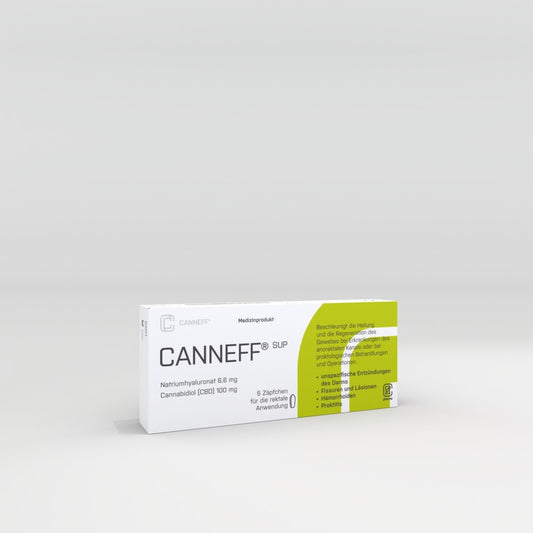
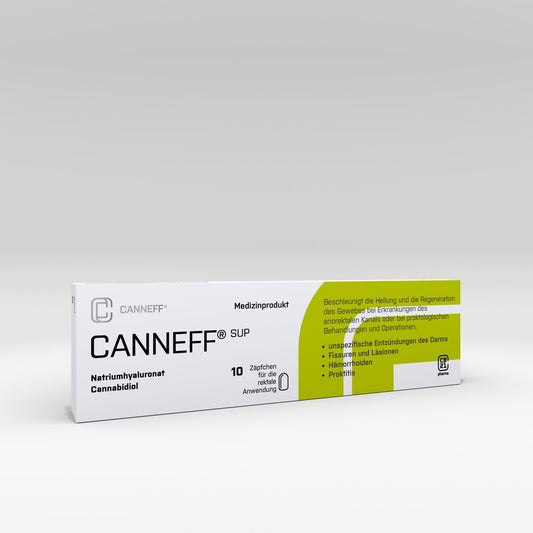
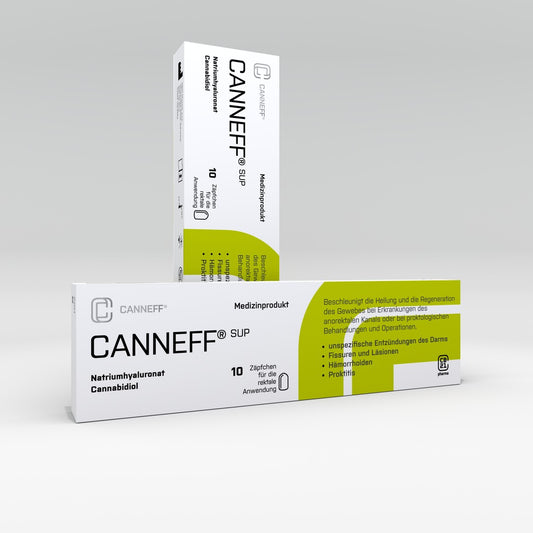
To support the healing of mucosal fissures, many patients rely on CANNEFF® SUP Rectal Suppositories with Hyaluronic acid and CBDDue to the emulsion matrix, the delivery of hyaluronic acid is increased fivefold (5x) compared to conventional rectal suppositories. Additionally, they contain CANNEFF® SUP Suppositories Cannabidiol (CBD) in medical quality. CBD has anti-inflammatory and pain-relieving properties, while hyaluronic acid supports the healing of the mucous membrane and promotes the formation of new tissue. With CANNEFF® SUP suppositories, you can effectively relieve your symptoms of anal fissures and support the healing process of tears in the anus. CANNEFF® SUP Rectal Suppositories are considered particularly effective treatments for small as well as deep fissures and lesions in the anal and rectal area, and also to support wound healing after colorectal surgeries such as anal fissure surgery. Find some helpful tips on the correct use and dosage of suppositories for treating anal fissures, as well as supporting tissue healing after anal fissure surgery in the blog post Anal Fissure Treatment with Suppositories.

Why does the anal fissure not heal?
If an acute anal fissure has not healed after six weeks of conservative treatment, it is considered a chronic anal fissure. In such cases, the doctor may suggest a surgical procedure, the anal fissure surgery. Surgery can also be considered earlier if the severity of symptoms and the patient's suffering require it. Surgery may also be relevant in cases of complications from the anal fissure, such as additional problems like skin tags or even anal fistulas. The main surgical treatment for a chronic anal fissure is the so-called fissurectomy. In this procedure, the surgeon removes the ulcerated and inflamed tissue. The wound is then left open to heal rather than being closed. Read more about anal fissure surgery or the general treatment of an anal fissure here.
Find further information about the operation and aftercare in the blog post about experiences with anal fissure surgery.
How can I speed up healing of anal fissures?
The healing and treatment of an anal fissure can take a long time, but there are many proven methods and therapeutic approaches to speed up the healing process of anal fissures. Supporting the healing process in anal fissures includes both self-care and targeted medical measures.
Bowel Regulation and Straining Behavior
Avoid straining during bowel movements. Gentle bowel movements are crucial to minimize pressure on the fissure. Avoid sitting for long periods and straining on the toilet. Both constipation with hard stools and frequent diarrhea can promote anal fissures and worsen symptoms. To allow the anal fissure to heal, soft (but not liquid) stools are important. In cases of severe constipation, your doctor may recommend special medications to soften the stool. Taking psyllium husks can also positively affect stool consistency.
Medication Therapy
Your doctor can prescribe special medications that help relieve pain and promote healing. These include painkillers, muscle relaxants for the anal muscles, or even special ointments to aid healing. In many people with anal fissures, the tension in the internal anal sphincter is increased. Ointments containing active ingredients from the group of so-called calcium antagonists (such as nifedipine or diltiazem) can effectively counteract this tension in the sphincter muscle. They promote blood flow in the anal mucosa and thus relax the sphincter muscle. The duration of use is about three to eight weeks. Local anesthetic preparations and ointments for application, such as those containing lidocaine, can also be used. However, they do not speed up the healing of anal fissures but can relieve pain in the anus.
Anal Dilator
In addition to or in combination with medication therapy, an anal dilator can be used. This is a cone-shaped tool that the affected person inserts into the anus several times a day. The gentle stretching is intended to relax the cramped sphincter muscle.
Medical Follow-up
If the symptoms of the anal fissure do not improve despite treatment, you should consult a proctology specialist. The doctor can perform additional diagnostic measures and possibly recommend targeted therapy and treatment for the anal fissure.
Avoidance of Irritating Foods
Spicy, fatty, or heavily seasoned foods can further irritate the anal mucosa. Make sure to avoid such foods to not hinder the healing process of the fissure.
How can I further support wound healing in anal fissures?
Wound healing in anal fissures is an important step toward full recovery. There are several other factors to consider for your lifestyle and daily routine. Smoking and excessive alcohol consumption impair the regeneration of the anal mucosa by reducing blood flow and oxygen supply to the tissue. Nicotine narrows blood vessels, which also delays the healing of the anal fissure. Alcohol, on the other hand, can irritate the mucosa and promote inflammatory reactions in the body. Additionally, an unbalanced diet, lack of exercise, and chronic stress can negatively affect the healing process, as they may weaken the immune system and slow metabolism, which is crucial for tissue and anal mucosa regeneration. Here are some proven tips on how to support wound healing or the healing of anal fissures:
Anal Hygiene and Care
Keep the anal area clean and dry. Use mild, fragrance-free soaps and avoid harsh cleansers. Gently pat the anal area dry instead of rubbing to prevent irritation.
Psychosocial Stress and Effective Stress Reduction
Psychosocial stress and corresponding stress reduction also play a significant role in the healing process of anal fissures. Stress is often associated with digestive problems such as constipation or diarrhea and can thereby increase the risk of anal fissures. Stress also directly affects digestion and the entire gastrointestinal tract. Under stress, the body releases hormones like cortisol and adrenaline, which influence bowel movements and can lead to problems such as constipation or diarrhea. Both digestive disorders can strain the anal mucosa and are therefore also considered causes of anal fissures. Anal fissuresUse known relaxation techniques such as yoga, light physical activity, and meditation. Read more here about Causes of anal fissures or how to prevent anal fissures.
Regular check-ups with the doctor
Regularly monitor the healing of anal fissures and watch for signs of infection or worsening. If symptoms of anal fissures persist or worsen, you should promptly consult a doctor or specialist. Complications such as recurring fissures, anal abscesses, or even complicated anal fistulas can occur. Find more information on diagnosis and examinations for anal fissures in the blog post Anal Fissure Doctor.
Complementary home remedies and natural medicine
Some alternative remedies or certain home remedies can have a soothing effect on the skin in the anal area and support healing as part of the treatment of anal fissures. Warm sitz baths can also accelerate the healing process. They promote blood circulation and relax the muscles. However, these complementary remedies for anal fissures should be understood as supplementary measures and not as a replacement for medical treatments. The effectiveness of home remedies and natural remedies is mostly not scientifically proven and depends on several individual factors.