

What typical symptoms occur with anal eczema?
Anal eczema is a common skin condition in the anal area that can be accompanied by various complaints. While itching is often the first and dominant symptom, depending on the severity, burning, redness, weeping, or swelling may also occur. In advanced cases, skin thickening and pain can develop, especially if the irritated skin is further stressed or scratched.
Itching (pruritus ani): Anal itching is often the first and predominant symptom, which can intensify especially at night or after bowel movements. Learn more about anal itching.
Burning: The inflamed skin reacts sensitively to touch, moisture, or friction. Learn more about burning after bowel movements.
Redness and swelling: The skin around the anus is irritated, reddened, and may swell.
Weeping: Due to the inflammation, increased secretion production can occur.
Scaling and thickening of the skin: With prolonged irritation, skin changes such as lichenification (thickening and coarsening of the skin) can develop.
Pain: Especially with severe inflammation or as a result of scratching, burning pain can occur.
What does anal eczema feel like – itching, burning, or weeping?
Patients often describe anal eczema as "agonizing" or "unbearable." The itching is usually so intense that sufferers scratch themselves unconsciously at night, which further damages the skin and worsens the inflammation. The burning sensation mainly occurs after bowel movements or contact with irritating substances (e.g., soaps, wet wipes). Weeping areas are particularly uncomfortable because constant moisture further attacks the skin and provides an entry point for bacteria and fungi.
Are there different types of anal eczema with varying symptoms?
Yes, anal eczema can be divided into different types that differ in their causes and symptoms. While some forms arise from mechanical friction or moisture, others are due to allergic reactions or existing skin conditions like neurodermatitis. Infections with bacteria, fungi, or viruses can also play a role. Read more here about the causes of anal eczema. Accurate classification is important to initiate targeted treatment.
Irritative-toxic anal eczema: Occurs due to mechanical friction, moisture, or chemical irritants (e.g., from harsh soaps or fragrances in wet wipes). Symptoms are severe itching, redness, oozing.
Contact allergic anal eczema: Caused by allergic reactions to creams, detergents, or hygiene products. Symptoms include itching, burning, blistering.
Atopic anal eczema: A special form in people with neurodermatitis. Symptoms are dry, scaly skin with intense itching.
Infectious anal eczema: Caused by bacteria, fungi, or viruses. Symptoms include oozing, pus formation, unpleasant odor.
How long do the symptoms of anal eczema last?
The healing time of anal eczema varies depending on the cause and treatment. While acute forms often subside within a few days to weeks, chronic anal eczema can persist for months or even years, especially if the triggering factors are not consistently avoided. Targeted therapy and appropriate skin care can significantly help relieve the symptoms.
Acute anal eczema: Can subside within a few days to weeks if the triggering factors are eliminated.
Chronic anal eczema: Often persists for months or years, especially if the skin remains constantly irritated by rubbing or moisture.
With the right treatment, such as consistent skin care and avoiding irritants, the symptoms can usually be relieved quickly.
Can the symptoms of anal eczema worsen over time?
Yes, if left untreated, anal eczema can become more severe. The intense itching often leads to scratching, causing small skin tears that can become infected. In severe cases, chronic thickening of the skin (lichenification) develops. If bacteria or fungi enter the open skin areas, the eczema can turn into a secondary infection. In women, such an infection can easily spread to the intimate area and cause vaginitis or cystitis. Especially with a weakened immune system or recurring infections, targeted treatment of anal eczema is important to prevent further complications.
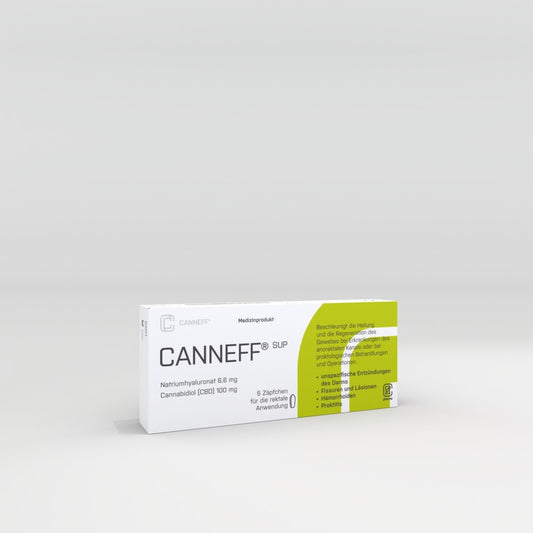
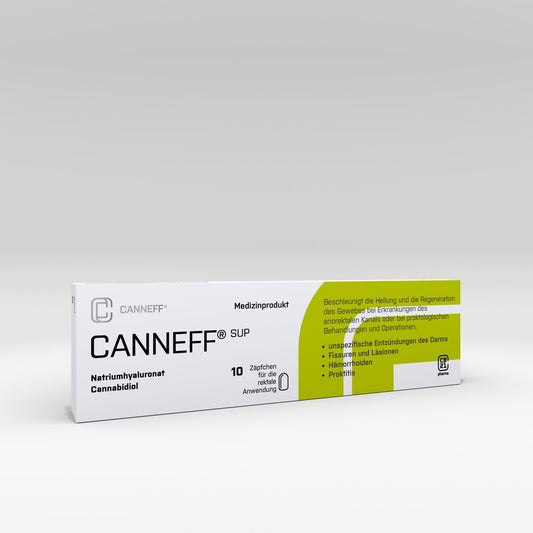
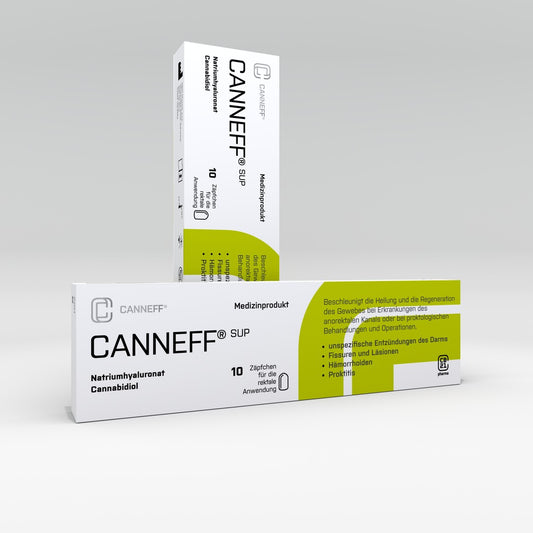
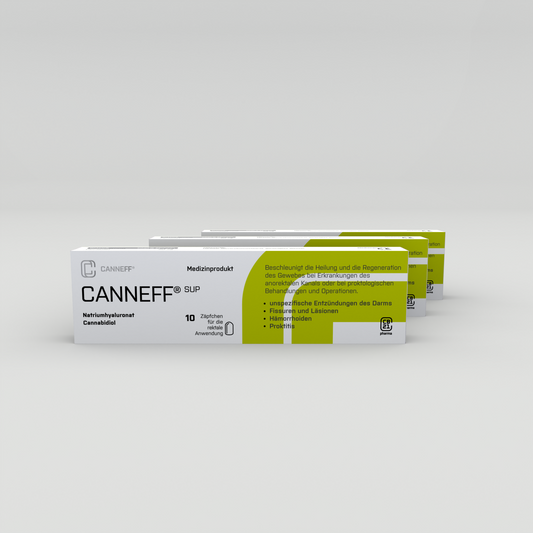
Here, accompanying treatment with anti-inflammatory and nourishing products like CANNEFF® SUP suppositories can help. These contain a combination of cannabidiol (CBD) and hyaluronic acid, which soothes irritated skin and can reduce inflammation. Find comprehensive information here on suppositories for treating anal eczema.
How can I tell the difference between anal eczema and other anal diseases?
Since the symptoms of anal eczema resemble those of other anal diseases, confusion can easily occur. In particular, hemorrhoids, anal fissures, or fungal infections can cause similar symptoms such as itching, redness, or pain. A medical examination is therefore essential to determine the exact cause and initiate targeted treatment of anal eczema. Anal eczema can be mistaken for other anal diseases, including:
Hemorrhoids: Usually associated with bleeding and a feeling of pressure, while an anal eczema primarily stands out due to itching and redness. Learn more about hemorrhoids.
Anal fissures: Painful cracks in the anal mucosa, often with bright red bleeding. Learn more about anal fissures.
Anal vein thrombosis: A hard, painful lump at the anal margin. Learn more about anal vein thrombosis.
Fungal infections: Often with whitish coatings and intense burning.
A doctor can make the correct diagnosis through a thorough examination. Read more about examinations and diagnosis in the blog post on anal eczema doctor.
Can bleeding or swelling be a sign of anal eczema?
Yes, especially if the eczema has already caused skin cracks or a secondary infection. Blood traces on toilet paper can be due to scratched skin areas. Swelling usually occurs due to inflammatory processes or allergic reactions.
Is anal eczema contagious or can it spread to other skin areas?
A non-infectious anal eczema is not contagious. However, if bacteria or fungi are involved, transmission can occur through direct skin contact or contaminated towels. Careful anal hygiene is therefore important to prevent spreading.
Does anal eczema occur in flare-ups or remain constant?
The clinical picture of an anal eczema can vary depending on the cause and individual factors. While some forms occur in flare-ups and are aggravated by certain triggers such as stress, allergens, or environmental factors, others can be chronic and lead to persistent symptoms with ongoing irritation. Read more here about the causes of anal eczema.
Atopic anal eczema: This form often occurs in flare-ups and resembles the course of neurodermatitis. It can manifest through phases of intense itching and inflammation, interrupted by symptom-free intervals. Stress, climatic changes, or certain foods can trigger flare-ups.
Irritative-toxic anal eczema: This variant can become chronic if triggering factors such as excessive moisture, mechanical irritation from clothing, or aggressive hygiene products are not consistently avoided. Without lifestyle adjustments, the skin can remain permanently irritated and cause recurring symptoms.
Allergic anal eczema: This form occurs episodically as soon as the skin comes into contact with allergy-triggering substances. These include fragrances in wet wipes, certain creams, detergents, or latex. Typical symptoms such as itching, redness, and blistering usually subside after removing the trigger but can recur upon re-exposure. An allergy evaluation can be helpful to identify and avoid individual triggers.
When should you see a doctor for symptoms of anal eczema?
A doctor's visit for anal eczema is recommended if symptoms persist, worsen, or are accompanied by other warning signs. Especially if additional symptoms such as bleeding, severe pain, or signs of infection occur, a medical examination should be conducted to rule out serious causes and initiate appropriate treatment of anal eczema.
If the symptoms last longer than two weeks: Acute anal eczema can often improve with adapted hygiene and care. However, if symptoms persist over a longer period, an underlying condition may be present that requires medical evaluation.
Bleeding, pus, or severe pain occur: These signs indicate a secondary infection or a more serious condition that requires targeted medical treatment of anal eczema, possibly with antibiotics or antifungals.
Symptoms do not improve despite home remedies or over-the-counter ointments: If natural or over-the-counter treatments show no effect, professional therapy with medical ointments or other active ingredients may be necessary. Read more here about the general treatment of anal eczema, or about the use of home remedies for eczema treatment.
The itching severely impairs quality of life: Severe, persistent itching can significantly affect daily life, cause sleep disturbances, and increase the risk of skin damage from scratching.
Accompanying symptoms such as fever or general malaise occur: These could indicate a systemic infection or a more serious underlying condition.
Confusion with other anal diseases cannot be ruled out: hemorrhoids, anal fissures, or skin infections can show similar symptoms. A medical examination helps establish the correct diagnosis.
Early medical evaluation can help prevent chronic symptoms and quickly improve skin health. In addition to medical treatment, products such as CANNEFF® SUP suppositories provide valuable support. Thanks to their anti-inflammatory and soothing properties, they help relieve symptoms and promote healing. Read more here about suppositories for treating anal eczema.