

Which home remedies really help with an anal fissure?
Home remedies can be a useful complement to medical treatment of anal fissures. They support wound healing, relieve pain, reduce inflammation, and help regulate bowel movements. Especially sitz baths, natural oils, and a fiber-rich diet play an important role. However, not all natural remedies are equally effective for anal fissures. Here you will learn which home remedies really help and how to use them best. Find more information here about the symptoms of anal fissures, as well as acute complaints like bleeding with anal fissures.
Sitz baths and healing herbs: Natural ways to heal
Sitz baths with anti-inflammatory herbs like chamomile, oak bark, or witch hazel can help soothe irritated mucous membranes and support the healing of an anal fissure. Regular use promotes blood circulation and reduces pain as well as itching. Sitz baths are a proven method to improve blood flow in the anal area and relieve pain. The best healing herbs for sitz baths are:
-
Chamomile – anti-inflammatory, soothing
-
Oak bark – astringent, reduces moisture
-
Witch hazel – relieves itching, promotes healing
-
Calendula – wound healing, regenerating
Application:
➤ Bathe once or twice daily for 10–15 minutes in lukewarm water (approx. 37°C).
Oils and ointments for anal fissures – Which are effective?
Natural oils like coconut oil, olive oil, or sea buckthorn oil can keep the skin supple and promote the healing process. Some herbal ointments also contain anti-inflammatory ingredients that can relieve itching and pain. But which products are truly effective? Various natural oils and ointments can help soothe the mucous membrane and promote wound healing:
|
Home remedies |
Effect |
|
Coconut oil |
Antibacterial, moisturizing |
|
Aloe vera gel |
Cools, relieves inflammation, regenerates tissue |
|
Olive oil |
Cares for the skin, has anti-inflammatory effects |
|
Honey |
Antibacterial, promotes wound healing |
|
Zinc ointment |
Dries oozing fissures, supports regeneration |
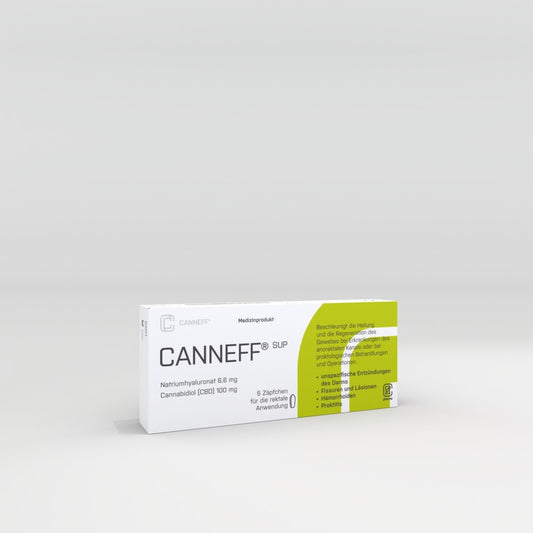
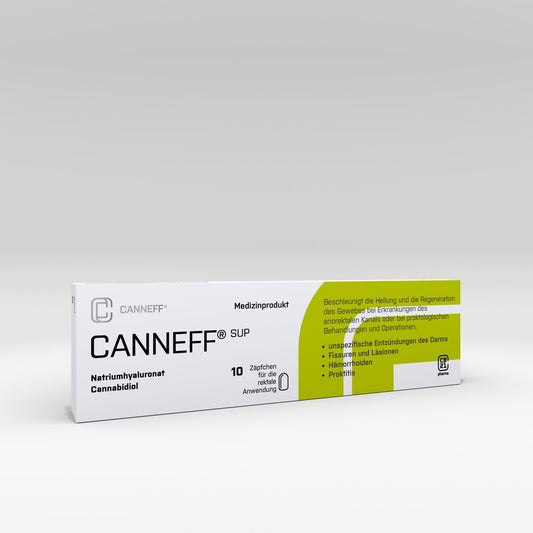
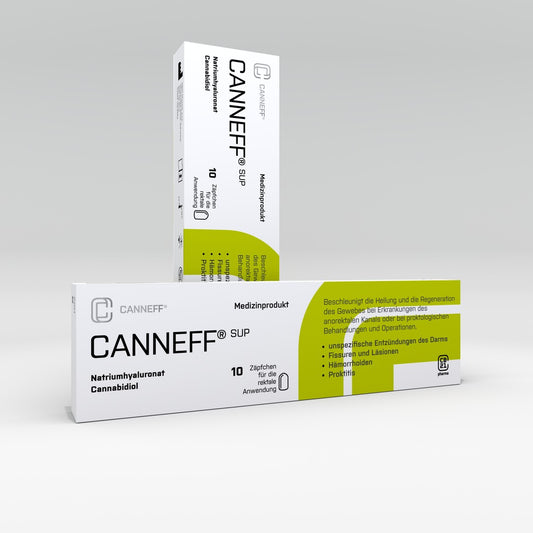
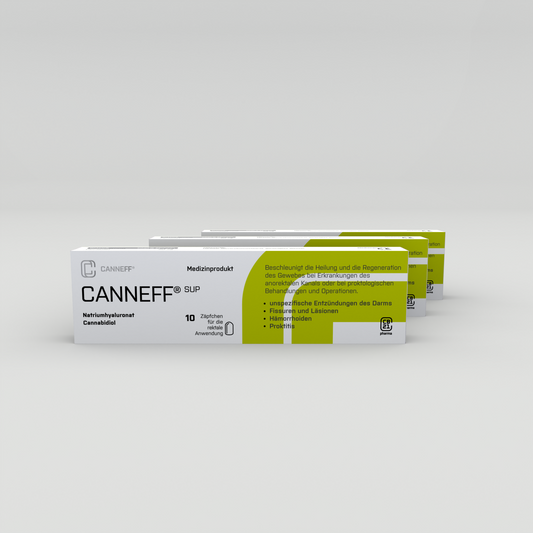
CANNEFF® SUP suppositories contain CBD and hyaluronic acid, which not only have anti-inflammatory effects but also promote the healing process of the sensitive mucous membrane in the anal area, especially after an anal fissure surgery. Find all information here about the treatment of anal fissures with suppositories.
Fiber & Nutrition: How to promote healing at home
A fiber-rich diet with sufficient fluid intake can prevent constipation and thus ease bowel movements. Certain foods like flaxseeds, psyllium husks, and fermented products also support intestinal health and contribute to faster healing. Soft stool is crucial to prevent the fissure from tearing further. Fiber-rich foods improve intestinal health and make stool softer:
-
Fruits: Apples, pears, plums
-
Vegetables: Carrots, zucchini, broccoli
-
Whole grain products: Oatmeal, flaxseeds, psyllium husks
-
Legumes: Lentils, chickpeas, beans
-
Fluids: At least 2 liters of water daily
Avoid: White flour products, red meat, spicy seasonings, and alcohol – they irritate the intestines and promote constipation. Find more information here about measures that accelerate the healing of an anal fissure.
Warm or cold water? The best methods for sitz baths
Sitz baths are a proven home remedy for anal fissures, but the question often arises: Should the water be warm or cold? Both temperatures have their benefits – while warm water promotes blood circulation, cold water can reduce swelling. Both warm and cold water can help with anal fissures:
-
Lukewarm sitz bath (approx. 37°C): Promotes blood circulation, relaxes the sphincter muscle, and relieves pain.
-
Cold compresses: They relieve pain and reduce swelling.
Recommendation: Combine a warm sitz bath before bowel movements with a cold compress afterward.
Home remedies for pain from anal fissures – What works?
Acute pain from an anal fissure can severely limit daily life. Home remedies like chamomile sitz baths, cooling applications, or aloe vera can help relieve the symptoms of anal fissures. Which measures are truly effective against the pain?
- Cooling compresses with witch hazel or aloe vera
- Coconut oil or honey apply to the affected area
- Light exercise (e.g., walking) to promote blood circulation
- CANNEFF® SUP for regeneration and pain relief
Natural remedies for itching and inflammation around the anus
Itching is a common symptom of anal fissures. Natural remedies like chamomile, tea tree oil, or calendula ointment can soothe irritated skin and reduce inflammation. But what should you consider when using them?
- Witch hazel in cream form
- Cold black tea bags as a compress
- Zinc ointment or healing clay to soothe the skin
How can an anal fissure be treated with aloe vera or coconut oil?
Aloe vera is known for its healing and moisturizing properties, while coconut oil has anti-inflammatory and pain-relieving effects. Both remedies can support skin regeneration – but how should they be used correctly?
Aloe vera:
✔ Cools and regenerates: Apply directly to the affected area.
✔ Best fresh aloe vera gel or use a high-quality cream without additives.
Coconut oil:
✔ Antibacterial and moisturizing: Apply before going to bed.
✔ Supports skin healing and reduces irritation.
Can honey or Manuka honey heal anal fissures?
Manuka honey is valued for its antibacterial and wound-healing properties. Initial studies show that it can help relieve anal fissures. But how effective is honey really in treating such complaints?
✔ Manuka honey has a particularly strong antibacterial effect.
✔ Promotes wound healing and has anti-inflammatory effects.
✔ Best apply directly or mixed with an ointment.
Note: Honey is a complementary remedy but does not replace medical treatment of an anal fissure.
Natural treatment of anal fissures – tips for long-term prevention
To prevent an anal fissure from recurring, targeted preventive measures are crucial. In addition to a balanced diet, gentle hygiene, and herbal care products, home remedies can contribute to protecting the sensitive anal skin in the long term.
✔ Regular, soft bowel movements through a high-fiber diet
✔ Gentle anal hygiene with water or moist toilet paper
✔ Avoid straining during bowel movements
✔ Regular exercise to promote bowel activity
✔ CANNEFF® SUP as supportive therapy for mucous membrane regeneration
These natural measures can support the healing of an anal fissure and prevent recurring symptoms of an anal fissure.
Here you can also find more information about the treatment of anal fissures:
Herbal treatment of anal fissures
Alternative treatment of anal fissures