

How can anal eczema be effectively prevented?
The best strategy to prevent anal eczema is to keep the skin barrier intact and avoid irritations. This is achieved through a combination of gentle hygiene, proper skin care, a healthy diet, and avoiding mechanical or chemical irritants. Regular monitoring of underlying conditions such as hemorrhoids or intestinal inflammations can also help minimize the risk of anal eczema. Read more here about the causes of anal eczema.
Important preventive measures
-
Use mild, fragrance-free cleaning products
-
Gently clean with water after bowel movements and pat dry
-
Wear breathable underwear to avoid moisture
-
High-fiber diet for soft stools
-
Avoid irritants such as spicy food and excessive alcohol
-
Prevent excessive sweating and friction from tight clothing
-
Seek medical advice early if existing conditions are present. Read all about diagnosis and examinations in the blog post on anal eczema doctor.
Which hygiene measures help keep the skin in the anal area healthy?
Proper anal hygiene plays a crucial role in the prevention and treatment of anal eczema. Excessive or incorrect cleaning can damage the sensitive skin in the anal area just as much as insufficient hygiene. The goal is to keep the skin clean, dry, and intact to avoid irritation, inflammation, and infections.
Tips for optimal anal hygiene
Gentle cleaning after bowel movements: The best method for cleaning is lukewarm water. This can be done with a handheld shower, a bidet, or a damp, unscented washcloth. If toilet paper is used, it should be soft and unscented. Harsh or rough paper can irritate the skin and cause microtears. Wet wipes should be avoided as they often contain preservatives and fragrances that can lead to allergies or skin irritation.
Avoidance of aggressive cleaning agents: Soaps, shower gels, or intimate wash lotions with perfume or irritating chemicals can destroy the skin's natural protective layer. If cleaning with a mild product is necessary, a pH-neutral, fragrance-free cleanser should be used.
Drying instead of rubbing: After cleaning, the anal area should be gently patted dry. Rubbing vigorously can irritate the skin and promote inflammation. Alternatively, a cold airflow from a hairdryer on a low setting can be used to dry the skin gently.
Avoid moisture in the anal area: Moist skin is more susceptible to irritation, fungal infections, and eczema. Especially after sweating or showering, care should be taken to ensure the anal area is completely dry. If necessary, cotton compresses or soft cotton pads can be gently placed between the buttocks to absorb excess moisture.
Changing underwear: Daily changing of underwear is essential to prevent bacterial growth and skin irritation. Cotton underwear is breathable and absorbs moisture better than synthetic fabrics.
Avoid common causes of skin irritation: Prolonged sitting, especially in tight pants or on hot surfaces, can lead to excessive moisture and friction. Tight clothing and synthetic fabrics should be avoided as they promote moisture buildup in the anal area. Read more here about the causes of anal eczema.
Avoid excessive rubbing and scratching: Itching should not be relieved by scratching, as this further injures the skin and can promote infections. Instead, cooling creams or medical ointments can be applied to soothe the skin.
Regular monitoring and care: Those prone to sensitive skin in the anal area or already experiencing problems should regularly check the area for redness, swelling, or skin changes. If an anal eczema has already appeared, soothing ointments with zinc, witch hazel, or panthenol can help regenerate the skin.
Many anal skin problems can be avoided through consistent and gentle hygiene. If persistent anal eczema symptoms occur despite careful care, a medical examination is advisable to rule out other conditions.
What role does nutrition play in preventing anal eczema?
Nutrition plays a key role in maintaining the health of the skin and digestive system and can thus directly influence the development and prevention of anal eczema. A balanced, fiber-rich diet promotes regular digestion, prevents constipation, and supports a healthy gut flora, which in turn reduces stress on the skin in the anal area.
Fiber-rich diet for healthy digestion: Hard stool can cause micro-injuries to the anus such as anal fissures, which irritate the skin and promote inflammation. A fiber-rich diet keeps stool soft and facilitates bowel movements.
-
Whole grain products (oatmeal, whole grain bread, brown rice)
-
Legumes (lentils, chickpeas, beans)
-
Vegetables (broccoli, carrots, spinach)
-
Fruits (apples, pears, berries)
-
Nuts and seeds (flaxseeds, chia seeds)
Adequate fluid intake: Water plays a crucial role in digestion and prevents stool from becoming too hard. Insufficient fluid intake can lead to constipation, which increases straining during bowel movements and further stresses the skin in the anal area.
Recommended: At least 1.5 to 2 liters of water or unsweetened teas daily
Avoid: Alcohol and caffeinated drinks in large amounts, as they have a dehydrating effect
Avoiding irritating foods: Certain foods can irritate the sensitive skin in the anal area or promote inflammation. Especially with sensitive digestion or a tendency to anal eczema, strongly spiced, acidic, or gas-producing foods should be avoided.
-
Spicy seasonings (chili, pepper, curry)
-
Citrus fruits and acidic foods
-
Highly processed and fatty foods
-
Coffee, alcohol, and carbonated drinks
Promoting a healthy gut flora through probiotic foods: A balanced gut flora supports the skin's immune defense and can help prevent inflammatory skin reactions in the anal area. Probiotic foods contain healthy bacteria that strengthen the gut and regulate digestion.
-
Natural yogurt and kefir
-
Sauerkraut and fermented vegetables
-
Kombucha and apple cider vinegar
Omega-3 fatty acids for inflammation reduction: Omega-3 fatty acids have anti-inflammatory properties and can help reduce skin irritation and inflammation in the anal area.
-
Fish (salmon, mackerel, herring)
-
Flaxseeds, chia seeds, and walnuts
-
High-quality plant oils (flaxseed oil, walnut oil)
Avoid sugar and highly processed foods: Sugar-rich and highly processed foods can promote inflammatory processes in the body and increase the risk of skin irritation. Excessive consumption can also negatively affect the gut flora and cause digestive problems.
Promote regular and gentle bowel movements: To avoid unnecessary strain on the sensitive skin in the anal area, regular but gentle bowel movements are important. A suitable diet can ease bowel movements, preventing excessive straining.
-
Maintain a regular toilet routine
-
Do not sit on the toilet for too long
-
Adopt a natural sitting position (e.g., with a small stool for optimal posture)
Read more here about alternative therapy options for eczema in the anal area, all home remedies for treating eczema, or also about the herbal treatment of anal eczema in general.
How can skin irritation in the anal area be avoided?
Skin irritation in the anal area can be avoided through gentle care, proper hygiene, and avoiding irritating factors. It is important not to stress the skin too much and to minimize moisture and mechanical friction.
Tips to prevent skin irritation
Gentle cleansing: Use lukewarm water instead of soap or wet toilet paper.
Gentle drying: Do not rub, but gently pat dry.
Breathable clothing: Cotton underwear helps to avoid moisture.
Avoid friction: Tight clothing and prolonged sitting can promote skin irritation.
Regulate moisture: Care for dry or weeping skin with suitable creams (e.g., zinc ointment).
Avoid irritants: Spicy foods, alcohol, and caffeine can worsen skin irritation.
Treat underlying conditions: Have hemorrhoids or infections medically examined.
Consistent skin care and adjusting hygiene habits can help prevent skin irritation in the anal area in the long term.
Does wearing airy underwear help in prevention?
Yes, wearing airy underwear can effectively help prevent anal eczema. Breathable fabrics like cotton or special functional fibers allow better air circulation and reduce moisture in the anal area, which is a key factor for skin irritation and infections. Tight, synthetic underwear, on the other hand, can trap moisture, increase friction, and raise the risk of skin irritation as well as fungal or bacterial infections. Additionally, loose underwear can help minimize mechanical irritation caused by chafing, especially for sensitive skin or those prone to eczema. People who tend to sweat heavily should also change their underwear regularly to keep moisture levels in the anal area low.
Can certain skincare products reduce the risk of anal eczema?
Yes, certain skincare products can reduce the risk of anal eczema by strengthening the skin barrier and preventing irritation. Mild, fragrance-free moisturizers or ointments with ingredients like aloe vera, panthenol, or witch hazel help keep the skin supple and prevent inflammation. Zinc ointment can additionally form a protective barrier and regulate moisture, which is especially beneficial for those prone to weeping skin areas. It is important to avoid harsh soaps, alcohol-based lotions, or perfumed wipes, as they can irritate sensitive skin. Regular but gentle care supports skin health and helps prevent irritation and the development of anal eczema.
How do physical activities affect the risk of anal eczema?
Physical activities can be both beneficial and problematic for the skin in the anal area. On one hand, regular exercise supports blood circulation and digestion, which prevents constipation and reduces the risk of skin irritation caused by hard stool. On the other hand, intense training, especially in sports with a lot of friction like cycling or running, can lead to skin irritation and increased sweating. This promotes moisture and friction, two main factors in the development of anal eczema. To minimize the risk, breathable, moisture-wicking clothing should be worn, and after sports, gentle cleansing and thorough drying of the anal area should be done.
Are there preventive medical treatments or ointments?
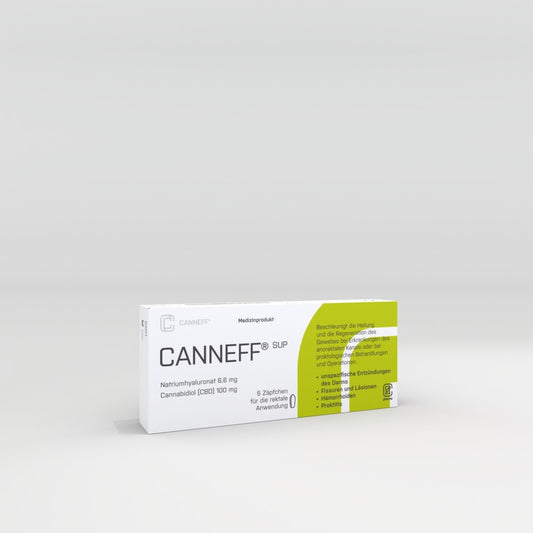
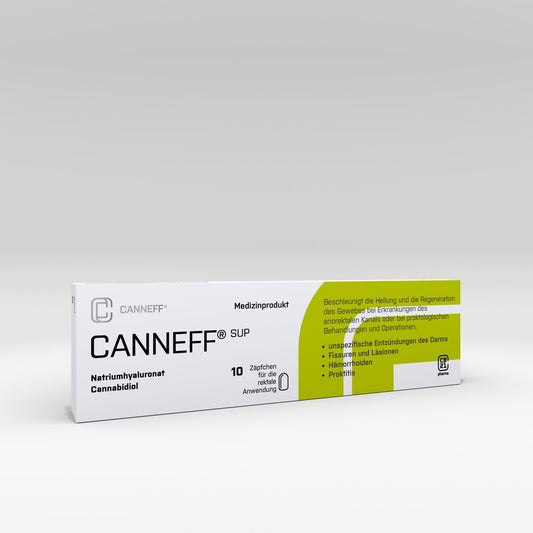
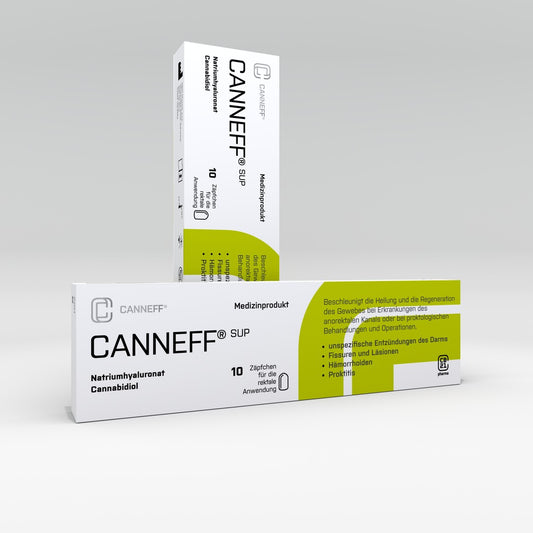
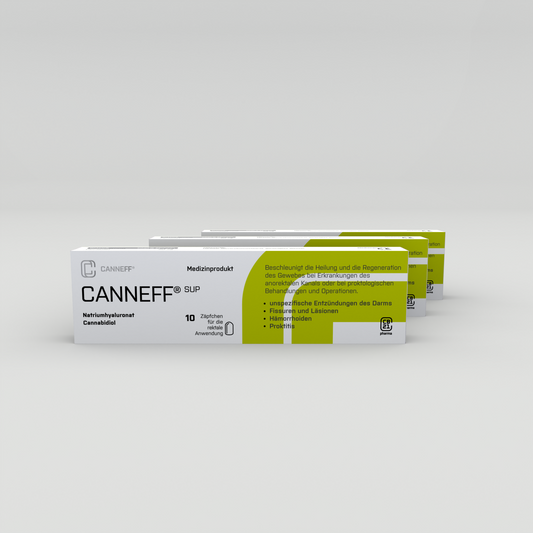
Yes, there are various medical treatments and ointments that can be used preventively against anal eczema. Zinc ointment helps keep the skin dry and protects against irritation, while ointments with witch hazel or panthenol soothe and strengthen the skin. CANNEFF® SUP suppositories contain anti-inflammatory ingredients such as cannabidiol (CBD) and hyaluronic acid, which help protect the skin barrier and prevent irritation. Additionally, mild corticosteroid-free creams or special skin protection ointments from the pharmacy can support treatment in cases of recurring anal eczema symptoms. Regular use can significantly reduce the risk of anal eczema. Read more here about the treatment of anal eczema, or directly about suppositories for treating anal eczema.
How important is controlling underlying conditions like hemorrhoids for prevention?
Controlling underlying conditions such as hemorrhoids is essential to prevent anal eczema. Enlarged hemorrhoids can lead to increased moisture, irritation, and itching in the anal area, which weakens the skin barrier and promotes inflammation. Particularly problematic is the discharge of mucus or stool residues, which continuously irritate the skin and can promote the development of eczema.
Timely treatment of hemorrhoids – whether through dietary adjustments, ointments, minimally invasive procedures, or in severe cases surgical removal – significantly contributes to maintaining the health of the anal skin. Anti-inflammatory products such as CANNEFF® SUP suppositories can help soothe the skin, regulate moisture, and relieve itching. Good anal hygiene is also important to prevent further irritation. Consistent management of hemorrhoids can significantly reduce the risk of anal eczema.
What role does mental health play in preventing skin diseases?
Mental health plays a crucial role in preventing skin diseases, including anal eczema. Stress, anxiety, and emotional strain can weaken the immune system and intensify inflammatory processes in the body. Studies show that psychological stress increases the release of pro-inflammatory mediators, which negatively affect the skin and can increase the risk of eczema and other skin conditions.
In addition, stress often leads to unconscious scratching or increased sweating, which can in turn promote skin irritation in the anal area. People with chronic stress or depression are also more prone to digestive problems such as irritable bowel syndrome or diarrhea, which can irritate the anal skin and promote eczema.
To prevent it, it is important to reduce stress and find a good mental balance. Relaxation techniques such as meditation, yoga, or breathing exercises can help lower cortisol levels and stabilize the immune system. Healthy sleep hygiene and regular exercise also contribute to promoting mental and physical health. If stress or anxiety significantly impair quality of life, psychological counseling or cognitive behavioral therapy can be helpful. Targeted stress management can significantly reduce the risk of skin conditions such as anal eczema. Read more in the blog post about anal eczema and psyche.