

How can hemorrhoids be effectively prevented?
Effective prevention of hemorrhoids requires a combination of a balanced lifestyle, adapted nutrition, and targeted care. These measures reduce pressure on the hemorrhoidal cushions and promote the health of the anal area. Prevention is based on several pillars, which are clearly presented in the following table:
|
Area |
Measures |
Explanation |
|
Nutrition |
Fiber-rich foods, such as whole grains, fruits, and vegetables. |
They promote a soft stool consistency and prevent constipation, which increases pressure on the anal canal. |
|
Fluid intake |
1.5–2 liters of water or unsweetened tea daily. |
Supports digestion and prevents hard stool. |
|
Physical activity |
Regular exercise, such as walking, swimming, or yoga. |
Stimulates bowel activity and improves blood circulation in the pelvic area. |
|
Hygiene in the anal area |
Gentle cleaning with water, no strong rubbing or aggressive soaps. |
Prevents skin irritation and protects the sensitive anal skin. Products like CANNEFF® SUP rectal suppositories help soothe and regenerate the mucous membrane. |
|
Toilet habits |
No long sitting sessions, avoid strong straining. |
Reduces pressure on the hemorrhoidal cushions and protects the anal area from overload. |
|
Stress management |
Yoga, meditation, or relaxation techniques. |
Prevents stress-related digestive problems such as constipation, which can promote hemorrhoids. |
Nutrition as a key: A balanced diet is essential to relieve the bowel. Fiber promotes bowel movement, while adequate drinking keeps the stool soft. This reduces the likelihood of straining hard, which directly affects the development of hemorrhoids.
Movement and circulation: Regular physical activity promotes blood circulation and helps prevent blood congestion in the pelvic area. Sitting for too long, especially on hard surfaces, should be interrupted with short movement breaks.
Care and protection of the anal area: Gentle cleansing protects the sensitive skin around the anus. Care products like CANNEFF® SUP rectal suppositories provide additional support through their anti-inflammatory and soothing properties. They promote regeneration and strengthen the natural barrier function of the mucous membrane.
Mindfulness in toilet habits: Avoiding excessive straining and long toilet sessions is crucial. Regular bowel movements without excessive pressure protect the hemorrhoidal cushions from overload. Relaxed conditions during bowel movements, such as a suitable sitting posture, support this effect.
Why prevention is so important: Consistent measures can prevent not only hemorrhoids but also accompanying complaints such as itching, moisture, or bleeding. Early prevention protects against chronic conditions and maintains quality of life.
Why is the prevention of hemorrhoids important?
The prevention of hemorrhoids is crucial to avoid discomfort and possible complications early on. Hemorrhoids develop due to excessive strain or enlargement of the vascular cushions in the anal canal, which can lead to symptoms such as itching, moisture, bleeding, or even pain. These symptoms of hemorrhoids not only affect daily life but can, if untreated, require surgical intervention in severe cases.
Another reason why prevention is important is its impact on quality of life. Hemorrhoids often come with discomforts such as a foreign body sensation, burning, and difficulties with hygiene. Those who take active measures, such as a high-fiber diet, adequate fluid intake, and regular exercise, can specifically prevent the development of these complaints.
Proper care of the anal area also plays a central role. Gentle cleansing and avoiding irritating care products protect the sensitive skin from irritation. Products like CANNEFF® SUP rectal suppositories can additionally support by soothing the mucous membrane, inhibiting inflammatory processes, and promoting regeneration.
Preventive measures not only break the cycle of discomfort and worsening but also reduce the risk of secondary diseases such as anal fissures or chronic inflammations. Prevention is therefore an effective method to maintain the health and well-being of the anal region in the long term.
Which risk factors promote the development of hemorrhoids?
Avoiding the mentioned risk factors can both prevent the development of hemorrhoids and minimize existing symptoms.
|
Risk factor |
Description |
How it can be avoided |
|
Chronic straining |
Straining hard during bowel movements increases pressure on the hemorrhoidal plexus. |
Sufficient fiber and fluids to keep stools soft. |
|
Constipation (obstipation) |
Hard stool leads to excessive straining during bowel movements. |
High-fiber diet, regular exercise, and adequate fluid intake. |
|
Diarrhea |
Frequent, loose stools irritate the anal skin and can promote inflammation. |
Treat causes such as infections or chronic bowel diseases, ensure a balanced intestinal flora. |
|
Long sitting |
Prolonged sitting periods, especially on the toilet, increase pressure in the anal area. |
Regular breaks, movement, and an ergonomic workplace. |
|
Heavy physical strain |
Lifting heavy loads can increase pressure in the abdominal cavity and thus on the hemorrhoidal plexus. |
Use techniques to relieve pressure, regular physical activity without overexertion. |
|
Overweight |
Additional strain from excess body weight increases pressure in the pelvic area. |
Weight reduction through a balanced diet and exercise. |
|
Pregnancy |
The pressure of the growing fetus on the pelvic veins can promote hemorrhoids. |
Regular exercise and gentle care of the anal area. |
|
Genetic predisposition |
Weakness of connective tissue or vascular problems can be inherited. |
Take preventive measures such as a healthy lifestyle and regular check-ups. |
|
Irritants and improper hygiene |
Harsh cleaning products or poor hygiene can irritate the anal skin. |
Use mild, soap-free products and avoid perfumed wet wipes. |
Using products like CANNEFF® SUP rectal suppositories can help soothe the mucous membrane and relieve irritation, thereby reducing the likelihood of hemorrhoids caused by irritation. Read more here about the causes of hemorrhoids.
Who is particularly at risk of developing hemorrhoids?
People at increased risk of developing hemorrhoids belong to the following groups:
Professionals with long sitting periods: Office workers or truck drivers, as prolonged sitting increases pressure in the anal area.
People with chronic constipation or diarrhea: Frequent straining or irritated anal skin promotes hemorrhoids.
Pregnant women: The growing fetus puts pressure on the pelvic veins.
Overweight individuals: Additional body mass puts strain on the hemorrhoidal plexus.
Heavy lifting: Regular physical strain, as seen in weightlifting or manual labor, increases abdominal pressure.
Genetic predisposition and unhealthy lifestyle habits, such as a low-fiber diet, further increase the risk.
What role does a high-fiber diet play in preventing hemorrhoids?
A high-fiber diet plays a central role in preventing hemorrhoids because it promotes digestion and softens the stool. This makes bowel movements easier, reduces straining, and lowers the pressure on the hemorrhoidal plexus. Foods such as whole grains, fruits, vegetables, and legumes help prevent constipation and keep the intestines healthy, significantly reducing the risk of hemorrhoids.
How much water should you drink to prevent hemorrhoids?
To prevent hemorrhoids, one should drink at least 1.5 to 2 liters of water or unsweetened tea daily. Adequate fluid intake keeps stool soft and facilitates bowel movements, thereby reducing the risk of pressure in the anal area and the development of hemorrhoids.
Which foods should be avoided to prevent hemorrhoids?
To prevent hemorrhoids, highly processed foods, spicy seasonings, fatty foods, alcohol, and caffeinated drinks should be avoided or reduced. These can harden stool or irritate digestion, increasing pressure in the anal area and raising the risk of hemorrhoids.
How does regular exercise help prevent hemorrhoids and which sports are particularly good for preventing hemorrhoids?
Regular physical activity supports the health of the entire digestive tract. It promotes bowel movement and thus prevents constipation, which is one of the main causes of hemorrhoids. Exercise also reduces pressure in the pelvic area and strengthens muscles, including the pelvic floor muscles, which improves blood circulation in the anal region. Especially for sedentary activities, exercise has a balancing effect and significantly reduces the risk of hemorrhoids.
|
Sport |
Benefits for hemorrhoid prevention |
|
Walking |
Promotes digestion, easy to integrate into daily life, and especially gentle on the joints. |
|
Swimming |
Reduces pressure on the pelvis, improves blood circulation, and is ideal for people with overweight or joint problems. |
|
Yoga or Pilates |
Strengthens the pelvic floor and promotes blood circulation, improves posture and bowel function. |
|
Cycling |
Light cycling supports blood circulation but should be done with a comfortable seat to avoid pressure on the anal area. |
|
Moderate strength training |
Strengthens the general muscles and supports the stability of the abdominal and pelvic muscles but should be done without excessive straining. |
Sports with high impact such as weightlifting or excessive running can put additional pressure on the pelvic floor if done improperly and should be performed in moderation and with correct technique. It is also important to drink enough water during exercise to promote optimal digestion. Read more here about the causes of hemorrhoids.
What role does proper anal hygiene play in the prevention of hemorrhoids?
Proper anal hygiene plays a crucial role in preventing hemorrhoids. Gentle cleaning after bowel movements with lukewarm water or pH-neutral, soap-free wash lotions helps prevent skin irritation and infections. Excessive cleaning with harsh soaps or wet toilet paper should be avoided as it can irritate the sensitive anal skin. After cleaning, the area should be gently patted dry to minimize moisture and irritation. Products like CANNEFF® SUP rectal suppositories can additionally help soothe and protect the skin, especially if it is sensitive or irritated.

How can pregnant women prevent hemorrhoids and what measures help women prevent hemorrhoids after giving birth?
Pregnant women can prevent hemorrhoids by maintaining a high-fiber diet with plenty of fruits, vegetables, and whole grains, and drinking plenty of water to avoid constipation. Regular, gentle exercise such as walking or swimming promotes blood circulation and reduces pressure on the pelvis. It also helps to avoid prolonged sitting or standing and to observe proper anal hygiene. Sitz baths or products like CANNEFF® SUP rectal suppositories can soothe and additionally protect the skin.
Can stress promote the development of hemorrhoids?
Yes, stress can promote the development of hemorrhoids, as it can cause digestive problems like constipation or diarrhea. Both increase pressure on the hemorrhoidal cushions. Additionally, stress negatively affects blood circulation and healing. Relaxation techniques such as yoga or meditation can help reduce stress and thus lower the risk.
Which relaxation techniques can help prevent hemorrhoids?
|
Relaxation technique |
Description |
Benefits |
|
Yoga |
Combination of breathing exercises, stretching, and meditation. |
Promotes blood circulation, reduces stress, and strengthens the pelvic floor muscles. |
|
Progressive muscle relaxation |
Sequentially tensing and relaxing different muscle groups. |
Relieves tension and improves body awareness, which can support digestion. |
|
Meditation |
Focused sitting or lying with conscious breathing. |
Reduces stress and lowers cortisol levels, which can negatively affect the digestive tract. |
|
Breathing exercises (Pranayama) |
Slow, deep breathing techniques from yoga practice. |
Promotes relaxation and stimulates the intestines, which can positively influence stool consistency. |
|
Autogenic training |
Self-suggestion and mental exercises to promote relaxation. |
Helps better manage stressful situations and regulate digestion. |
|
Walks in nature |
Regular, relaxed outdoor exercise. |
Supports digestion, calms the nerves, and improves blood circulation in the pelvic area. |
These techniques can help reduce stress, promote digestion, and minimize the strain on the hemorrhoidal cushions.
Which medical products support the prevention of hemorrhoids?
Medical products can provide valuable support in the prevention of hemorrhoids, especially when used in addition to a healthy lifestyle. The most commonly recommended products include gentle cleansers, nourishing creams, and moisturizing suppositories that protect and strengthen the sensitive skin of the anal area.
Care products: Creams and ointments with soothing ingredients like chamomile or witch hazel help keep the skin supple and prevent irritation. Products with anti-inflammatory and regenerating active ingredients can prevent the development of symptoms at the first signs of skin irritation.
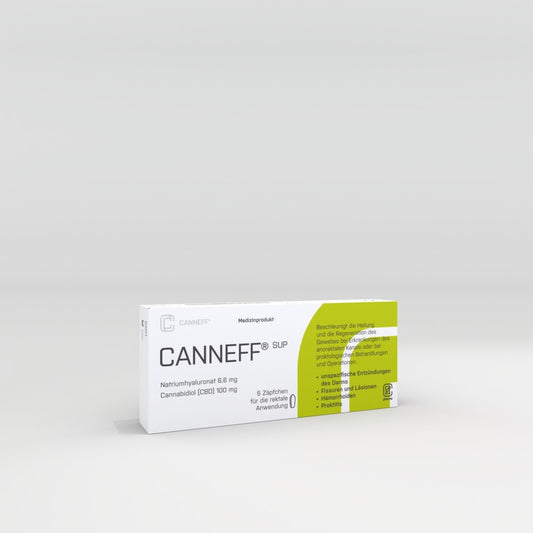
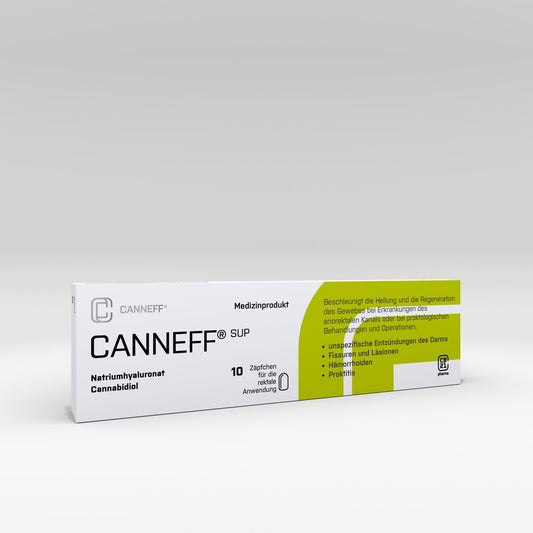
Rectal suppositories: Suppositories like CANNEFF® SUP with CBD (cannabidiol) and hyaluronic acid are especially effective for caring for the anal area and preventing inflammation. CBD has a calming and antioxidant effect, while hyaluronic acid strengthens the skin barrier and provides moisture. These properties promote mucous membrane regeneration and reduce the risk of irritation.
Sitz baths: Sitz baths with medical additives such as oak bark or chamomile are another supportive measure. They soothe irritations and strengthen the skin in the anal area, thereby reducing the risk of hemorrhoids.
Fiber supplements: Products like psyllium husks or other fiber-rich dietary supplements regulate digestion and ensure a soft stool consistency. This prevents straining, which is considered the main trigger for hemorrhoids.
Medical cushions: Specially shaped seat cushions relieve pressure on the anal area and promote blood circulation. They are especially suitable for people who sit a lot due to their profession.
The use of such products should always be combined with a balanced diet, sufficient exercise, and good anal hygiene. If in doubt, consultation with a doctor or pharmacist is recommended. Read more here about the treatment of hemorrhoids.
How helpful are seat cushions or sitz baths in preventing hemorrhoids?
Seat cushions and sitz baths are proven aids for preventing hemorrhoids, as they both reduce pressure on the anal area and support skin care.
Seat cushions: Specially shaped seat cushions, such as donut or wedge cushions, relieve pressure on the pelvic floor and anal area. They promote blood circulation, especially for people who have to sit for long periods due to their work, such as office workers or professional drivers. Seat cushions help prevent circulatory disorders, which are a risk factor for the development of hemorrhoids.
Sitz baths: Sitz baths with skin-soothing additives such as oak bark, chamomile, or medicinal solutions have a caring and anti-inflammatory effect. They promote blood circulation in the anal area, relax the muscles, and support the regeneration of irritated skin. Regular sitz baths are especially helpful after bowel movements or to relieve early signs of irritation.
Recommendation: Both measures should be integrated preventively into a holistic hemorrhoid prophylaxis, complemented by a high-fiber diet, adequate fluid intake, and regular exercise. In case of existing symptoms or uncertainties, products like CANNEFF® SUP rectal suppositories can additionally have a soothing effect and support skin care.
Can special creams or ointments help prevent hemorrhoids?
Yes, special creams or ointments can help prevent hemorrhoids by caring for the skin in the anal area, promoting elasticity, and preventing irritation. However, they should not be used as the sole protective measure but integrated into a comprehensive prevention strategy.
Mechanisms of action of creams and ointments
Skin protection and care: Creams with moisturizing and soothing ingredients such as aloe vera, chamomile, or panthenol support the regeneration of sensitive skin and strengthen the natural protective barrier.
Anti-inflammatory effect: Products with anti-inflammatory ingredients can reduce early signs of irritation or inflammation and thus prevent worsening.
Promotion of blood circulation: Some ointments contain circulation-promoting substances that improve microcirculation in the anal area and prevent congestion.
Prevention of dryness: Special formulations prevent dryness or cracks that can promote hemorrhoids.
Application of creams and ointments
Regularity: Ointments or creams should be applied as needed and ideally after bowel movements to the cleaned skin.
Hygiene: The anal area should be gently cleaned with lukewarm water and patted dry before application to optimize effectiveness.
Advice: If you are unsure about the appropriate product or have existing symptoms, it is advisable to consult a doctor or pharmacist.
Creams and ointments are a useful supplement but do not replace fundamental measures such as a high-fiber diet, sufficient exercise, and proper anal hygiene.