

Can iron deficiency cause anal itching?
Yes, iron deficiency can indirectly cause anal itching. Iron plays a crucial role in skin health as it is involved in oxygen supply and regeneration. Iron deficiency can make the skin drier and more prone to irritation, increasing the risk of itching, including in the anal area.
In iron deficiency, the skin barrier can become weakened, making the skin more sensitive to external stimuli such as moisture, mechanical stress, or infections. Additionally, iron deficiency can be accompanied by symptoms like generalized pruritus (itching all over the body), which is especially noticeable in sensitive areas like the anus.
If anal itching occurs with other symptoms such as fatigue, pale skin, or hair loss, iron deficiency could be the cause. A medical examination, including blood tests to check iron levels, is advisable in such cases.
What role does iron deficiency play in the development of anal itching?
Iron deficiency plays an indirect but significant role in the development of anal itching, as it can affect skin health and the immune system. Iron is essential for oxygen supply to skin cells and supports regeneration as well as maintaining an intact skin barrier. A lack of iron can have the following effects that contribute to anal itching:
Dry and irritated skin
Iron deficiency can make the skin dry and sensitive, making it more prone to irritation and itching, especially in the sensitive anal area.
Weakened skin barrier
A weakened skin barrier makes it easier for irritants and pathogens like bacteria or fungi to penetrate, which can trigger itching.
Impaired healing
Iron deficiency can delay wound healing. Small cracks or irritations in the anal region can worsen and cause chronic itching.
Pruritus as a accompanying symptom
Generalized itching is a known symptom of iron deficiency. It can be especially noticeable in sensitive skin areas such as the anus.
Increased risk of infection
Iron deficiency weakens the immune system, making infections in the anal region, such as fungal infections or bacterial inflammations, more common.
The connection between iron deficiency and anal itching should not be underestimated. Medical evaluation and targeted treatment of iron deficiency—through dietary adjustments or iron supplements—can help effectively relieve the itching symptom.
Why does iron deficiency often cause skin problems like anal itching?
Iron deficiency often leads to skin problems like anal itching because iron is essential for skin health and supports several important processes that keep the skin intact and resilient. When iron is lacking, the following mechanisms can be impaired:
Reduced oxygen supply to the skin
Iron is a central component of hemoglobin, which transports oxygen to the cells. A deficiency reduces oxygen supply, causing the skin to be less well perfused, drier, and more sensitive.
Impaired regeneration
Iron deficiency disrupts the formation of new skin cells, delaying the natural regeneration of the skin. This can lead to a weakened skin barrier that is more susceptible to irritation and infections.
Dry skin
With iron deficiency, the skin loses moisture faster and tends to be dry, increasing the likelihood of itching, especially in sensitive areas like the anal region.
Impaired immune function
Iron is important for the immune system's function. A deficiency can weaken the defense against infections, e.g., by fungi or bacteria, in the anal region, which promotes skin problems and itching.
Inflammation-promoting effects
Iron deficiency can promote inflammatory processes in the skin, which increases the sensitivity of skin nerves and can lead to itching.
Pruritus as a general symptom
Itching is a well-known accompanying symptom of iron deficiency and can especially appear in areas that are already sensitive or easily irritated, such as the anal region.
The combination of dry skin, weakened barrier, and increased susceptibility to infections makes skin problems like anal itching a common symptom of iron deficiency. Targeted treatment of iron deficiency can significantly relieve these complaints.
What symptoms accompany anal itching caused by iron deficiency?
Anal itching due to iron deficiency is often accompanied by other symptoms indicating the nutrient deficiency. Typical skin symptoms include dry skin, redness, and irritation, especially in sensitive areas like the anal region. The skin becomes more prone to irritation and injury, while small cracks or wounds in the anal area heal more slowly. Iron deficiency can also cause generalized itching, which appears on various parts of the body but can be particularly pronounced in sensitive regions like the anus.
In addition to skin-related complaints, systemic symptoms often occur. These include fatigue, paleness, dizziness, and headaches caused by reduced oxygen supply to the cells. Many affected individuals also suffer from sensitivity to cold, especially in the hands and feet. Hair loss and brittle nails can also occur, as iron deficiency weakens the structure of hair and nails. A weakened immune system increases susceptibility to infections, including skin infections, which can further intensify anal itching.
How is anal itching caused by iron deficiency diagnosed?
The diagnosis of anal itching caused by iron deficiency requires a comprehensive examination to identify the underlying cause and exclude other triggers. The diagnostic process includes the following steps:
Medical history
Doctors thoroughly question affected individuals about symptoms, their duration and intensity, as well as accompanying signs such as fatigue, paleness, hair loss, or general itching. Lifestyle, dietary habits, and possible risk factors for iron deficiency, such as vegetarian diet or heavy blood loss, are also recorded.
Physical examination
The anal area is examined for visible skin changes such as redness, irritation, or dry skin. Other physical signs like pale skin or brittle nails can provide clues to iron deficiency.
Blood test
Hemoglobin level: Indicates the blood's oxygen transport capacity.
Ferritin level: Provides information about the body's iron stores. A low value indicates iron deficiency.
Transferrin saturation: Indicates the availability of iron in the blood.
CRP level: Helps to rule out inflammations that could distort ferritin levels.
Read more here about the doctor's visit for anal itching.
Differential diagnosis
If blood tests indicate iron deficiency, doctors check for possible causes such as blood loss (e.g., menstruation, gastrointestinal bleeding) or impaired iron absorption (e.g., due to celiac disease).
Exclusion of other causes
To ensure that anal itching is caused by iron deficiency and not by other conditions such as hemorrhoids, fungal infections, or allergic reactions, swabs, stool samples, or skin tests may be performed. Read more about the various causes of anal itching here.
The combination of medical history, physical examination, and targeted lab tests enables a reliable diagnosis of anal itching caused by iron deficiency and forms the basis for effective
Which treatments help with anal itching caused by iron deficiency?
These measures aim to correct iron deficiency, protect the skin, and relieve itching while avoiding possible complications. Find more comprehensive information about treatment of anal itching here.
|
Treatment approach |
Measures |
Goal |
|
Correct iron deficiency |
- Take iron supplements (as prescribed by a doctor). - Enrich the diet with iron-rich foods such as red meat, legumes, green leafy vegetables, and whole grains. - Combine vitamin C-rich foods for better iron absorption. |
Replenish iron stores to promote skin regeneration and eliminate the cause of itching. |
|
Skin care and hygiene |
- Gentle cleansing of the anal area with lukewarm water. - Avoid harsh soaps and scented wet wipes. - Pat dry instead of rubbing. |
Protect the weakened skin barrier and avoid further irritation. |
|
Symptom relief |
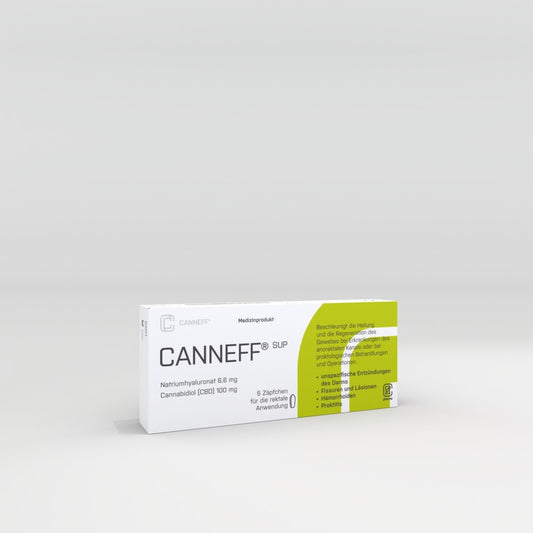
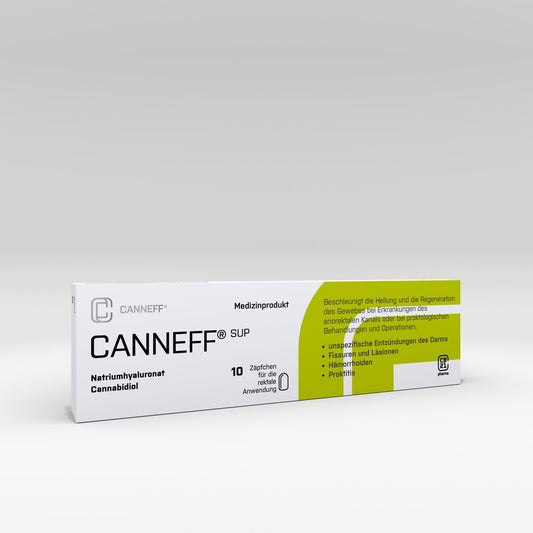
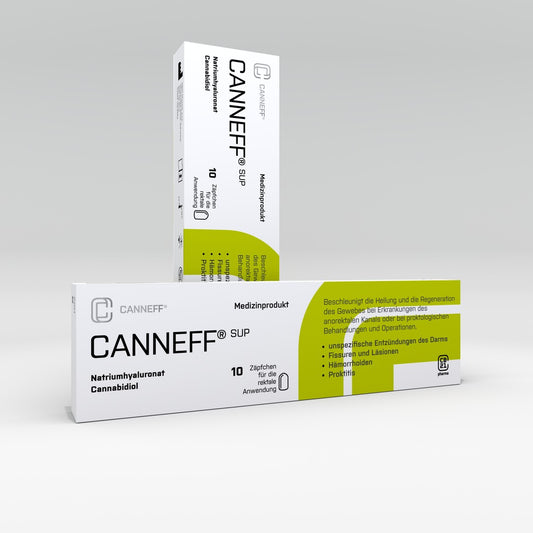
- Use soothing creams or ointments with zinc, panthenol, or CBD, such as CANNEFF SUP. - Sitz baths with chamomile or oak bark. - Avoid scratchy clothing and tight underwear. |
Relief from itching and promotion of healing for irritated skin. |
|
Avoid infections |
- Treat possible secondary infections with antifungals (for fungal infections) or antibiotics (for bacterial infections). |
Prevent additional skin problems caused by weakened skin barriers. |
|
Dietary changes |
- Avoid foods that inhibit iron absorption (e.g., coffee, black tea, dairy products). - Consume a fiber-rich diet to regulate stools and avoid mechanical irritation. |
Improve digestion and minimize irritation in the anal area through soft stools. |
|
Medical supervision |
- Regular monitoring of blood values during treatment. - Examination for possible causes of iron deficiency, such as bleeding in the digestive tract. |
Ensure that iron deficiency is fully treated and no other serious causes are present. |
Which dietary measures can prevent iron deficiency and related anal itching?
Dietary measures can help prevent iron deficiency and thus reduce the risk of related anal itching. The following strategies promote adequate iron intake and support skin health:
Incorporate iron-rich foods into your diet
Animal sources (heme iron, well absorbed)
Red meat, poultry, fish (e.g., tuna, salmon), liver.
Plant sources (non-heme iron)
Legumes (lentils, beans, chickpeas), green leafy vegetables (spinach, kale), whole grains, nuts, and seeds.
Improve iron absorption with vitamin C
Combine iron-rich foods with vitamin C-rich foods like bell peppers, oranges, strawberries, kiwi, or tomatoes. Vitamin C enhances iron absorption from plant sources.
Avoid inhibitors of iron absorption
Tea and coffee: Tannins in these drinks inhibit iron absorption. Drink these beverages separately from iron-rich meals.
Calcium-rich foods: Dairy products should not be combined directly with iron-rich foods, as calcium inhibits iron absorption.
Phytates: These substances found in whole grains can impair iron absorption. However, fermented products like sourdough bread reduce phytates.
Fiber-rich diet for healthy digestion
Whole grains, fruits, and vegetables support gut health and help avoid mechanical irritation from hard stools.
Adequate fluid intake
Drink enough water to keep stools soft and minimize strain on the anal area.
Iron-rich snacks and meals
Include iron-rich snacks such as a handful of nuts or dried fruits (e.g., apricots, raisins).
Supplements if needed
Increased iron needs (e.g., pregnancy, heavy menstruation) may warrant iron supplements after consulting a doctor.
A balanced diet rich in iron and supporting nutrients can effectively prevent iron deficiency and resulting complaints such as anal itching.
When should iron deficiency be considered in cases of anal itching?
These signs indicate that iron deficiency could be the cause of the anal itching and that medical evaluation is advisable. Read more here about the doctor visit for anal itching.
|
Criterion |
Description |
|
Additional symptoms |
Dry skin, fatigue, paleness, hair loss, brittle nails, dizziness, concentration problems. |
|
Chronic itching |
Persistent itching that does not respond to hygiene or care adjustments. |
|
Digestive complaints |
Accompanying symptoms such as diarrhea, constipation, or stool residues in the anal region. |
|
Risk factors for iron deficiency |
Vegetarian/vegan diet, heavy blood loss, pregnancy, growth, or breastfeeding. |
|
Skin problems and infections |
Infections, eczema, or irritations in the anal region caused by weakened skin barriers. |
|
Unclear cause of the itching |
No obvious explanation for the anal itching despite hygienic and care measures. |
How does anal itching caused by iron deficiency differ from other causes?
Anal itching caused by iron deficiency differs from other causes by systemic accompanying symptoms such as fatigue, paleness, and dry skin. Unlike purely local triggers, treatment requires targeted correction of the iron deficiency, while other causes can often be alleviated by local measures such as ointments or hygiene changes. Careful diagnosis is crucial to identify the cause of anal itching.
|
Criterion |
Anal itching due to iron deficiency |
Other causes of anal itching |
|
Accompanying symptoms |
Fatigue, paleness, hair loss, brittle nails, dizziness, dry skin. |
Symptoms specific to the cause, e.g., pain with anal fissures, oozing or discharge with infections. |
|
Skin condition |
Dry, sensitive skin due to disturbed regeneration and oxygen supply. |
Often visible changes such as eczema, redness, scaling, or swelling, depending on the underlying cause. |
|
Course of itching |
Generalized itching that is particularly intense in sensitive skin areas like the anus. |
Usually localized itching with specific triggers such as hemorrhoids, allergies, or infections. |
|
Cause |
Systemic cause (iron deficiency) that impairs skin health and regeneration. |
Local causes such as hemorrhoids, fungal infections, allergic reactions, or mechanical irritation. |
|
Response to care |
Relief only through systemic treatment of iron deficiency; skin care alone is often insufficient. |
Improvement of symptoms through targeted local care, hygiene adjustment, or treatment of the specific cause. |
|
Diagnostics |
Blood tests (ferritin, hemoglobin, transferrin saturation) to detect iron deficiency. |
Physical examination, stool samples, swabs, or skin tests to identify local causes. |
|
Therapy |
Treatment with iron supplements, dietary adjustments, accompanying skin care. |
Specific treatment of the cause, e.g., antifungals for fungal infections, corticosteroid ointments for eczema, hygiene optimization. |
What are the long-term effects of iron deficiency on skin health?
Long-term iron deficiency can significantly impair skin health. Iron is essential for oxygen supply and regeneration of skin cells. A deficiency leads to dry, sensitive skin that is prone to cracks, irritation, and infections. Wound healing slows down, and the skin's barrier function is weakened, increasing the risk of chronic skin problems such as eczema. Additionally, nails can become brittle and hair thin and brittle. Without treatment, iron deficiency can permanently damage skin structure and significantly reduce quality of life due to recurring issues like itching or inflammation.