

How does anal eczema affect mental health?
An anal eczema can significantly affect mental health, as symptoms like itching, burning, and oozing are often perceived as particularly unpleasant. The constant irritation and tormenting itching can lead to sleep disturbances, as the symptoms worsen especially at night. Lack of sleep, in turn, can significantly impair mood and overall quality of life, which in the long term can lead to stress, irritability, and even depressive moods.
Added to this is the social and emotional burden: many affected individuals feel ashamed of the symptoms of anal eczema and hesitate to seek medical help. The intimate area of the body is associated with a high degree of shame for many people, which is why an anal eczema is often not openly discussed. This reluctance can lead to the condition not being treated in time, which in turn can worsen the symptoms and further increase psychological stress.
Another problem is the fear of serious illnesses, as symptoms like bleeding or persistent itching are often associated by those affected with more severe diseases such as anal cancer. This uncertainty can lead to increased stress and anxiety.
Therefore, it is important that people with an anal eczema not only treat the physical symptoms but also pay attention to their mental health. Early medical evaluation and targeted treatment of anal eczema can not only relieve the symptoms but also reduce the associated emotional burdens. Relaxation techniques, conscious stress management, and, if necessary, psychological support can help break the vicious cycle of itching, anxiety, and psychological stress.
What psychological burdens arise from chronic itching and pain?
Chronic itching and persistent pain, as can occur with anal eczema, not only have physical effects but often lead to significant psychological burdens. Those affected frequently experience a severe impairment in their quality of life, as the symptoms of anal eczema can significantly disrupt both daily life and sleep.
Frequent psychological burdens caused by chronic itching and pain
Sleep disturbances and exhaustion: Itching often intensifies at night, making it difficult for sufferers to fall or stay asleep. Chronic sleep deprivation leads to exhaustion, concentration problems, and irritability. This can have long-term effects on mental health and increase the risk of anxiety or depression.
Social withdrawal and feelings of shame: An anal eczema affects an intimate area of the body, which causes feelings of shame in many sufferers. They may avoid talking about their anal eczema symptoms or seeing a doctor. The fear of uncomfortable situations, such as itching or pain in public, can lead to social withdrawal, increasing loneliness and isolation.
Increased stress and anxiety: Persistent itching can be extremely distressing because it seems uncontrollable and often worsens with scratching. Many patients develop an increased stress response as they constantly focus on suppressing the itch. The fear that the symptoms will never end or might worsen can lead to chronic tension and inner restlessness.
Loss of self-control: Chronic itching often leads to a vicious cycle: the itching forces scratching, which further damages the skin and causes even more intense itching. Many affected individuals report feeling helpless and out of control of their own bodies. This perceived powerlessness can negatively impact self-esteem.
Effects on partnership and sexuality: An anal eczema can also affect sexuality, as itching, pain, and feelings of shame disrupt well-being in relationships. Some affected individuals avoid close physical contact out of fear of pain or uncomfortable situations, which can impact relationships in the long term.
Increased risk of depressive moods: Long-lasting symptoms that dominate daily life can cause significant emotional strain. Those suffering from itching and pain for weeks or months often feel discouraged, hopeless, or frustrated. Studies show that people with chronic skin conditions have an increased risk of depressive moods or even depression.
How can psychological stress be reduced?
Early treatment: A targeted treatment of anal eczema can not only relieve physical symptoms but also reduce psychological stress.
Relaxation techniques: Methods such as progressive muscle relaxation, meditation, or breathing exercises can help reduce stress.
Psychological support: Talking to a psychotherapist or joining a support group can make coping with the condition easier.
Healthy sleep hygiene: Regular sleep schedules, relaxation rituals before bedtime, and a cool room temperature can help minimize sleep problems.
Social support: Open conversations with trusted people or exchanging experiences with others affected can help reduce feelings of isolation.
Chronic itching and pain are not only a physical challenge but also have far-reaching psychological effects. A holistic treatment of anal eczema that considers both the skin and mental health is crucial to reduce suffering and improve quality of life.
Can stress trigger or worsen anal eczema?
Yes, stress can both trigger and worsen anal eczema. The close connection between skin and psyche is well researched – stress can weaken the immune system, intensify inflammatory processes, and increase itching. People with chronic skin conditions often report that their symptoms become significantly worse during stressful life phases.
How does stress influence the development and course of anal eczema?
Weakening of the skin barrier by stress hormones: Stress leads to increased release of stress hormones like cortisol. These can weaken the skin barrier, making the skin more susceptible to irritation, inflammation, and infections. A weakened skin defense system promotes the development of anal eczema or worsens existing symptoms.
Increased tendency to itching and skin reactions: Studies show that stress can intensify the sensation of itching. This happens through increased sensitization of nerve endings in the skin. As a result, sufferers perceive the itch more intensely and are more prone to scratching – which further irritates the skin and worsens the inflammation.
Negative effects on the immune system: Ongoing stress weakens the immune system, impairing the skin’s natural protective function. This makes it easier for skin infections, fungal diseases, or bacterial inflammations to develop, which can further worsen anal eczema.
Impact on gut health: Stress directly affects digestion and gut flora. Many sufferers experience diarrhea, constipation, or irritable bowel symptoms during stressful times – all of which can strain the skin in the anal area and promote eczema. An imbalanced gut microbiome can also promote inflammatory processes in the body.
Unconscious scratching and rubbing due to tension: Many people respond to stress with unconscious movements like scratching or rubbing the skin. Especially with itching in the anal area, this can further damage the skin barrier, preventing the eczema from healing or even worsening it.
How can stress-related anal eczema be alleviated?
Apply relaxation techniques: Methods like meditation, breathing exercises, or progressive muscle relaxation help reduce stress.
Maintain healthy sleep hygiene: Adequate sleep is essential for skin regeneration and the immune system.
Promote gut health: A balanced, high-fiber diet can help minimize digestive problems and irritable bowel symptoms.
Adjust skin care: Gentle, non-irritating care products and soothing ointments (e.g., with zinc, witch hazel, or aloe vera) help protect the skin.
Seek psychological support: Chronic stress or anxiety can be better managed through conversations with professionals or relaxation therapies.
How do those affected cope with the shame surrounding anal eczema?
Many affected individuals find anal eczema unpleasant and shameful because it is an intimate issue. This can lead to hesitation in seeking medical help or openly discussing their anal eczema symptoms. However, shame can increase suffering and delay treatment of anal eczema. An open conversation with a medical professional is important, as anal eczema is a common and treatable skin condition. Those affected can also seek support through anonymous online counseling or specialized forums. Proper information and education help reduce stigma and initiate early treatment to improve quality of life. Find all information on diagnosis and examinations in the blog post about the anal eczema doctor.
Can psychological counseling help manage anal eczema better?
Yes, psychological counseling can help those affected better cope with the emotional burdens of anal eczema. Chronic itching, pain, and feelings of shame can increase stress and anxiety, which in turn can worsen the symptoms. Therapeutic support can help break negative thought patterns, develop stress management strategies, and make dealing with the condition easier in everyday life. Methods such as cognitive behavioral therapy, mindfulness exercises, or relaxation techniques can help reduce psychological pressure and improve quality of life.
How does sleep deprivation caused by nighttime itching affect mental health?
Sleep deprivation caused by nighttime itching can significantly affect mental health. Persistent sleep disturbances lead to exhaustion, irritability, and concentration problems. This can reduce stress resilience, increase anxiety, and even promote depressive moods. Constant fatigue also impairs social and professional life, further increasing the suffering of those affected. A holistic treatment approach that improves both physical symptoms and sleep quality is therefore essential.
What social limitations do people with anal eczema experience?
People with anal eczema often experience social limitations because itching, pain, and discomfort affect their daily lives. Many affected individuals avoid prolonged stays in public, social events, or sports activities out of fear of anal eczema symptoms or visible signs. The shame surrounding the condition can also lead to withdrawal and isolation, which harms self-confidence and quality of life. Openly addressing the condition and targeted treatment of anal eczema can help minimize social limitations.
Is there a connection between depression and skin conditions like anal eczema?
Yes, there is a close connection between depression and skin conditions such as anal eczema. Chronic skin conditions psychologically burden many affected individuals, as persistent itching, pain, and feelings of shame significantly impair well-being and quality of life. This can lead to stress, anxiety, and social withdrawal, increasing the risk of depression.
On the other hand, existing depression can worsen skin problems such as anal eczema. Stress and emotional burdens affect the immune system and promote inflammation, which can exacerbate skin conditions. Additionally, people with psychological stress are more prone to unhealthy coping mechanisms, such as scratching or neglecting skin care, which worsens symptoms.
An interdisciplinary approach that considers both the skin condition and mental health is therefore important. Psychological support, relaxation techniques, and targeted dermatological treatment of anal eczema can help break the vicious cycle between skin and psyche.
Which relaxation techniques can help improve skin appearance?
Relaxation techniques play an important role in improving skin appearance, especially in stress-related skin conditions like anal eczema. By reducing stress hormones such as cortisol, the skin barrier can be strengthened, inflammation reduced, and itching alleviated. The following techniques have proven particularly effective:
Mindfulness Meditation: Regular meditation can help increase awareness of one’s own body and reduce stress-related skin reactions. Studies show that mindfulness training can reduce inflammation and alleviate itching.
Progressive Muscle Relaxation (PMR): This technique by Jacobson helps to specifically release muscle tension, which in turn promotes stress reduction. Less tension means better blood circulation in the skin and faster healing.
Breathing Exercises: Deep breathing techniques, such as abdominal breathing or the 4-7-8 method, reduce acute stress and can help control itching attacks.
Yoga: Physical movement combined with breath control and mindfulness has been proven to have positive effects on skin health. Yoga can help reduce stress levels and stabilize immune function.
Autogenic Training: This method uses self-suggestion to bring the body into a relaxed state. This can help regulate inflammatory processes and prevent stress-related skin irritations.
Biofeedback: By targeted feedback of physical signals such as heart rate or skin conductance, affected individuals learn to actively influence their stress reactions, which can contribute to improved skin health.
Creative relaxation methods: Activities like painting, listening to music, or writing can help reduce emotional tension and indirectly improve skin condition.
These relaxation techniques can not only help relieve the symptoms of anal eczema but also promote overall well-being and skin health in the long term.
How can the vicious cycle of itching, scratching, and stress be broken?
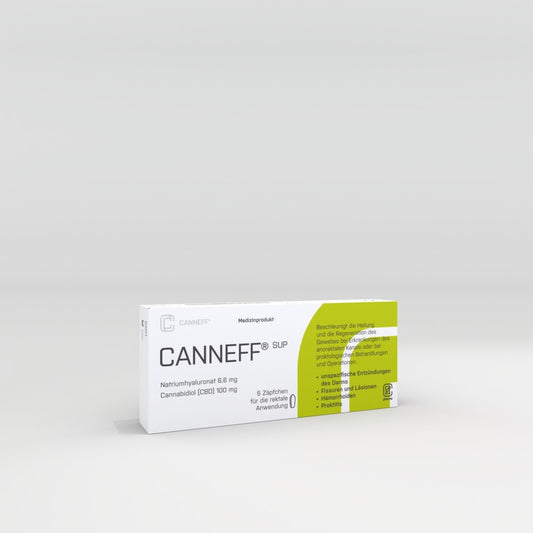
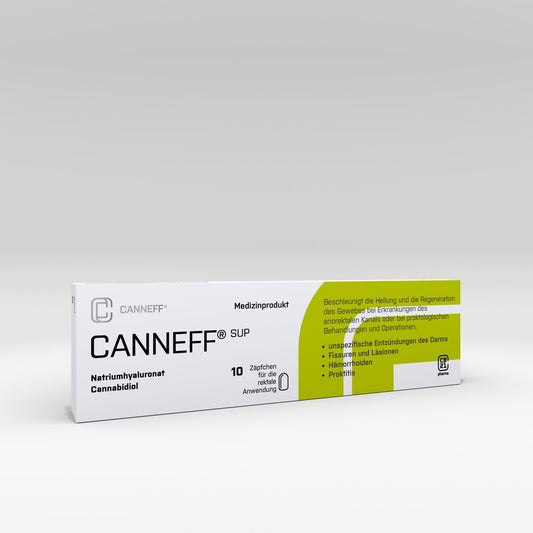
The vicious cycle of itching, scratching, and stress can be broken through a combination of targeted skin care, effective itch relief, stress management, and avoiding trigger factors. Products like CANNEFF® SUP suppositories can provide valuable support to heal anal eczema faster and prevent it long-term. At the same time, stress intensifies skin reactions and delays healing. Targeted measures are necessary to break this cycle.
Effectively relieve itching
- CANNEFF® SUP suppositories contain anti-inflammatory ingredients like cannabidiol (CBD) and hyaluronic acid, which soothe irritated skin and provide moisture. This helps reduce itching and promote healing.
- Zinc ointment or witch hazel ointment protect the skin and have anti-inflammatory effects.
- Cool compresses with chamomile or quark soothe the skin and reduce itching.
- Antihistamines can help with severe itching but should be prescribed by a doctor.
Avoid scratching and build skin protection
- CANNEFF® SUP suppositories help stabilize the skin barrier and relieve irritation, reducing the urge to scratch.
- Keep fingernails short to minimize skin injuries.
- Wear thin cotton gloves at night to prevent unconscious scratching.
- Apply protective creams or petroleum jelly to soothe irritated skin.
Stress management to reduce skin reactions
- Relaxation techniques like meditation, yoga, or progressive muscle relaxation help lower stress hormones and reduce itching.
- Breathing exercisessuch as the 4-7-8 method can help reduce acute stress.
- Psychological counseling or cognitive behavioral therapy can be useful if the itching causes severe distress or is associated with anxiety or depression.
Gentle skin care and avoidance of irritants
- CANNEFF® intimate care products offer skin-friendly care without irritating ingredients and can strengthen the natural skin barrier.
- Avoid scented wet wipes or harsh soapsas these can further irritate the skin.
- Cleaning with lukewarm water after bowel movementsto avoid mechanical irritation from toilet paper.
- Light, breathable cotton underwear helps keep the skin dry and minimize friction.
A holistic view of the causes
- Support gut health: Probiotics, a high-fiber diet, and sufficient fluids help prevent constipation, which additionally strains the anal area.
- Treat hemorrhoids or infections earlyas they often occur together with anal eczema.
- CANNEFF® SUP suppositories can help as a supportive treatment for anal eczemaby moisturizing, strengthening the skin barrier, and soothing irritations.
Find information here about the causes of anal eczema, or learn which measures you can take to prevent anal eczema. You can also find all information about diagnosis and examinations in the blog post on anal eczema doctors.