

Which home remedies help against anal eczema?
Home remedies provide effective support in the treatment of anal eczema by relieving itching, reducing inflammation, and soothing the skin. Sitz baths with anti-inflammatory additives like chamomile or oak bark have proven especially effective. They have a calming effect and promote the healing of irritated skin. Natural oils such as coconut oil or olive oil can also help care for the skin and protect it from further irritation. Cooling quark compresses can reduce swelling and relieve unpleasant burning. Aloe Vera gel also has skin-soothing properties and supports the regeneration of affected skin areas. Zinc ointment provides a protective barrier and helps keep the skin dry, which is particularly beneficial for weeping eczema. Although these home remedies can offer good support, they do not replace a medical examination if symptoms persist or worsen.
-
Sitz baths with anti-inflammatory additives like chamomile or oak bark
-
Natural oils such as coconut oil or olive oil for skin care
-
Cooling quark compresses that reduce swelling and relieve burning
-
Aloe Vera gel that soothes and regenerates the skin
-
Zinc ointment that protects the skin and keeps it dry
-
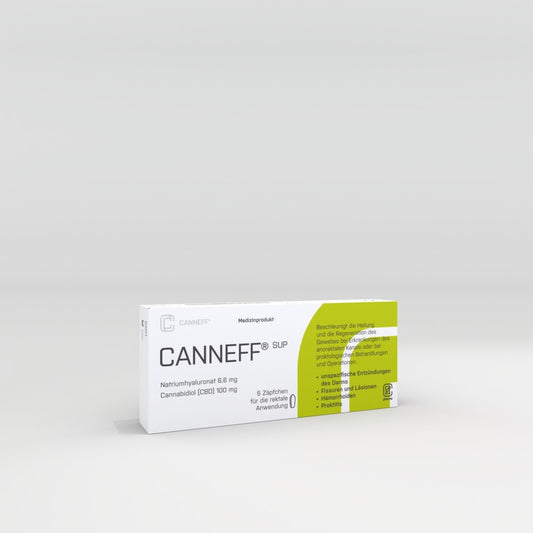
CANNEFF® SUP suppositories that relieve itching and promote healing through their anti-inflammatory properties
Are sitz baths an effective method for treating anal eczema?
Sitz baths are a proven method to relieve the symptoms of anal eczema, as they not only cleanse but also reduce inflammation and itching. Sitz baths with chamomile tea are especially effective because chamomile has a natural antiseptic effect and soothes the skin. Oak bark is also a good choice because it acts as an astringent and counteracts inflammation. Another helpful remedy is Dead Sea salt, which supports skin regeneration. The ideal water temperature for a sitz bath should be lukewarm to avoid further irritating the skin. A duration of about ten to fifteen minutes is sufficient. After the sitz bath, the skin should be gently patted dry and not rubbed to avoid further irritation. With regular use, sitz baths can significantly support the healing of anal eczema.
-
Chamomile tea, which has antiseptic effects and soothes the skin
-
Oak bark, which is astringent and counteracts inflammation
-
Dead Sea salt, which supports skin regeneration
How can coconut oil or olive oil help with anal eczema?
Natural oils like coconut oil and olive oil can be valuable support in the treatment of anal eczema. Coconut oil has antimicrobial properties that can help prevent infections and soothe the skin. At the same time, it provides intense moisture and protects the sensitive skin from further irritation. Olive oil contains valuable fatty acids and antioxidants that have anti-inflammatory effects and nourish the skin. Both oils should be applied in small amounts to clean skin and gently massaged in. This helps keep the skin supple and promotes regeneration. Especially after cleansing or a sitz bath, applying coconut or olive oil can help speed up the healing process and prevent the skin from drying out.
-
Coconut oil has antimicrobial properties and protects the skin from infections
-
Olive oil contains antioxidants and anti-inflammatory fatty acids
Which natural ointments or creams can be used for anal eczema?
In addition to oils, natural ointments and creams can also support the healing of anal eczema. Especially recommended are calendula ointment, known for its wound-healing properties, and witch hazel ointment, which acts as an astringent and soothes inflamed skin. Propolis ointment can help prevent infections and promote healing due to its antibacterial effect. Aloe vera gel is also a good choice as it cools, moisturizes, and has anti-inflammatory effects. These natural products should be applied regularly and gently to the affected skin. Consistent use can help relieve symptoms and strengthen the skin barrier.
-
Calendula ointment promotes wound healing
-
Witch hazel ointment acts as an astringent and soothes inflamed skin
-
Propolis ointment has antibacterial properties
-
Aloe vera gel cools, moisturizes, and has anti-inflammatory effects
-
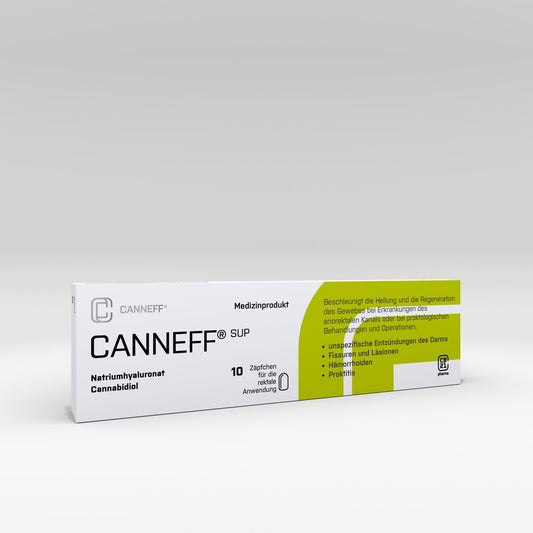
CANNEFF® SUP suppositories help specifically against anal eczema through their nourishing and soothing ingredients
Find further information here on alternative therapy approaches for anal eczema, or directly on the herbal treatment of eczema in the anal area.
Does zinc ointment help with anal eczema and how should it be applied?
Zinc ointment is a proven remedy for treating anal eczema because it has anti-inflammatory effects and protects the skin from further irritation. It forms a protective barrier on the skin and helps regulate moisture, which is especially beneficial for weeping eczema. Application should be done after cleaning the affected area. A thin layer of zinc ointment is sufficient to achieve the desired effects. It can be applied several times a day to keep the skin dry and promote regeneration. Especially for sensitive skin, zinc ointment can be a gentle and effective alternative to stronger medical ointments.
Zinc ointment is a proven remedy for treating anal eczema because it:
-
Has anti-inflammatory effects
-
Protects and keeps the skin dry
-
Regulates moisture, which is especially helpful for weeping eczema
What role does nutrition play in healing anal eczema?
Nutrition plays a significant role in healing anal eczema because it influences gut health and can regulate inflammatory processes in the body. A fiber-rich diet with whole grains, vegetables, and fruit helps keep stool soft and prevents constipation, which could further irritate the eczema. Adequate fluid intake is also crucial, as a well-hydrated body supports regular and gentle bowel movements. Probiotic foods like yogurt or sauerkraut can stabilize the gut flora and thus strengthen the immune system. It is advisable to avoid spicy foods, alcohol, and caffeinated beverages, as they can further irritate sensitive skin. Conscious nutrition can actively support the healing process.
-
A high-fiber diet (whole grains, vegetables, fruit) keeps stool soft
-
Adequate fluid intake supports regular bowel movements
-
Probiotic foods (yogurt, sauerkraut) stabilize the gut flora
-
Avoidance of spicy foods, alcohol, and caffeine to prevent irritation
Can a change in anal hygiene relieve anal eczema?
Gentle and careful anal hygiene is essential for relieving and healing anal eczema. Excessive cleaning, especially with harsh soaps or scented and preservative-containing wet toilet paper, can further irritate the skin. Instead, the anal area should be cleaned with lukewarm water after bowel movements. Suitable methods include a gentle shower, a bidet, or moist, unscented washcloths. After cleaning, it is important to gently pat the skin dry rather than rubbing to avoid further irritation. The choice of underwear also plays a role: breathable cotton fabrics are more skin-friendly than synthetic materials that retain moisture and increase friction. Switching to gentle anal hygiene can help the eczema heal faster and reduce the risk of renewed irritation. Read more about the causes of anal eczema here.
-
Avoidance of harsh soaps and scented wet toilet paper
-
Cleaning with lukewarm water instead of soaps
-
Gentle patting dry instead of rubbing to avoid further skin irritation
-
Breathable cotton underwear to minimize moisture and friction
-
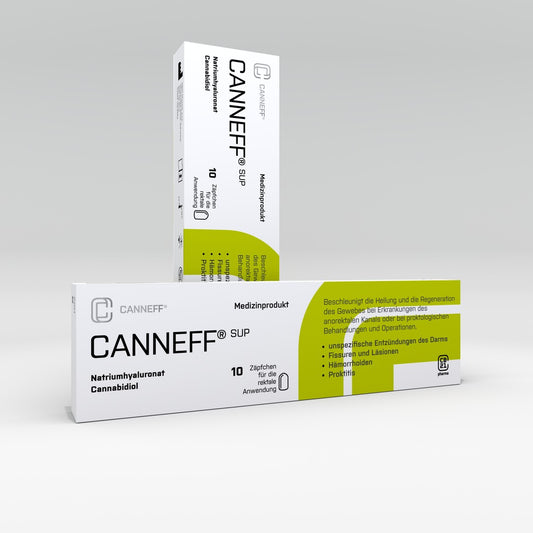
Additional care with CANNEFF® SUP suppositories to strengthen the skin barrier
Are cool compresses or herbal poultices helpful for anal eczema?
Cool compresses and herbal poultices are a proven method to relieve itching and inflammation in anal eczema. Cooling wraps with quark or chamomile tea can help reduce redness and swelling. Quark has anti-inflammatory and cooling effects, while chamomile soothes the skin through its antiseptic properties. Another option is wraps with oak bark extract, which acts as an astringent and promotes wound healing. Herbal poultices with calendula or witch hazel can also help, as they are anti-inflammatory and skin-soothing. However, application should always be done carefully to avoid unnecessarily irritating the sensitive skin. Cooling wraps should not be left on for too long, as excessive moisture can be counterproductive.
-
Quark wraps cool and have anti-inflammatory effects
-
Chamomile tea compresses soothe the skin
-
Oak bark poultices have astringent effects and promote wound healing
-
Calendula or witch hazel compresses reduce swelling and itching
Which plant ingredients have anti-inflammatory properties for the anal area?
Various plant-based ingredients can help reduce inflammation in the anal area and support skin healing. Aloe vera is known for its soothing and moisturizing properties and can help regenerate irritated skin. Calendula has wound-healing and anti-inflammatory properties, which is why it is included in many natural ointments. Witch hazel acts as an astringent, reduces itching, and alleviates redness. Coconut oil has antimicrobial properties and can help prevent infections. Propolis, a substance produced by bees, has strong antibacterial and healing properties and can be applied in the form of ointments or creams. Chamomile, lavender, and tea tree oil can also be valuable additions to the natural treatment of anal eczema due to their anti-inflammatory properties.
-
Aloe vera soothes and moisturizes
-
Calendula promotes wound healing
-
Witch hazel has astringent effects and reduces itching
-
Propolis has antibacterial and healing properties
-
Coconut oil has antimicrobial properties
-
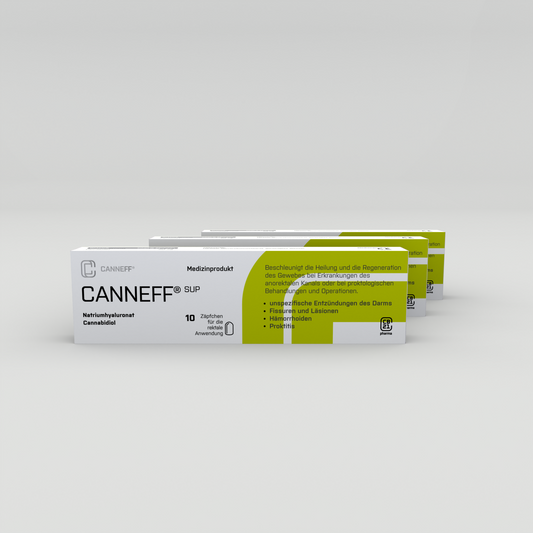
CANNEFF® SUP suppositories contain natural CBD and soothing, moisturizing ingredients for targeted treatment. Read more here in the blog post on suppositories for the treatment of anal eczema.
When are home remedies no longer sufficient and a doctor should be consulted?
Although home remedies often provide good relief, there are situations where a medical examination is essential. If anal eczema shows no improvement after two weeks of consistent home remedy use or if symptoms worsen, a doctor should definitely be consulted. Severe pain, bleeding, or pus formation are also serious symptoms of anal eczema that may indicate an infection or another underlying condition. A doctor’s visit is also advisable if the itching becomes so severe that it significantly affects daily life and quality of life. In such cases, targeted medical treatment may be necessary to prevent chronic anal eczema and initiate appropriate therapy. Read more about diagnosis and examinations in the blog post on anal eczema doctor.
-
No improvement after two weeks despite consistent use of home remedies
-
Worsening of symptoms, severe pain, or oozing skin areas
-
Bleeding or pus formation that may indicate an infection
-
Itching that significantly impairs quality of life
Find further information here on alternative therapy approaches for anal eczema, or directly on the herbal treatment of eczema in the anal area.