

Is anal eczema contagious?
A classic anal eczema is not contagious because it is an inflammatory skin reaction caused by mechanical irritation, allergies, or skin conditions such as atopic dermatitis. It arises from a disturbed skin barrier and not from an infection with pathogens like bacteria or viruses.
However, in some cases, an anal eczema can be complicated by secondary infections with fungi or bacteria. In these cases, there is some risk of transmission, especially through direct skin contact or shared items.
Although an anal eczema is generally not contagious from person to person, those affected should maintain good hygiene to avoid infections and further skin irritation.
Can bacteria or fungi transmit the disease?
Bacteria or fungi themselves do not cause a classic anal eczema, but can secondarily cause an infection of already damaged skin. If this is the case, transmission can occur under certain conditions.
Bacterial infections
Staphylococci and Streptococci are common pathogens of bacterial skin infections. If an anal eczema has open skin areas, these bacteria can penetrate and cause a superinfection.
Transmission: Theoretically, bacteria can be transmitted through direct skin contact or shared towels.
Fungal infections
Candida fungi occur naturally on the skin but can multiply significantly with a weakened skin barrier or excessive moisture and cause a Candidiasis (skin fungal infection) trigger.
Transmission: A fungal infection can be promoted by close skin contact, contaminated towels, or moist environments such as swimming pools or saunas.
Protective measures
-
Regular hand hygiene
-
Use individual towels and underwear
-
Keep skin dryto prevent the growth of fungi
Are there sexually transmitted infections that cause anal eczema?
Sexually transmitted infections (STIs) are not a direct cause of anal eczema, but they can cause similar symptoms in the anal area or worsen an existing eczema. Read more here about the causes of anal eczema.
STIs with possible effects on the anal area
Human papillomaviruses (HPV): Certain HPV strains can Genital warts in the anal area causes skin irritation and itching.
Herpes simplex (HSV): A Herpes infection in the anal area can lead to burning blisters and inflammation that can be mistaken for anal eczema.
Syphilis: The Early stages of syphilis can be accompanied by skin changes that mimic eczema.
Gonorrhea (the clap) or chlamydia: Can cause inflammation in the anal area, which increases itching, oozing, and skin irritation.
An existing anal eczema can be further irritated by sexually transmitted infections. Therefore, medical evaluation is important if symptoms of anal eczema persist and do not respond to conventional treatment of anal eczema.
Protective measures
-
Use condoms or latex gloves during sexual practices involving anal contact
-
Regular STI tests, especially with changing sexual partners
-
Avoid aggressive lubricants that could irritate the skin
How to protect yourself and others from infection?
Since a non-infectious anal eczema is not contagious, there is no direct risk to others. However, if a secondary infection with fungi or bacteria is present, some protective measures may be advisable:
-
Use individual towels, underwear, and care products
-
Clean thoroughly but gently after each toilet visit
-
Keep skin dry, to prevent the growth of fungi or bacteria
-
Regular hand washing, especially after contact with the affected skin area
Is anal eczema transmissible via toilet seats or towels?
A non-infectious anal eczema is not transmitted via toilet seats, shared furniture, or clothing. However, if a fungal or bacterial infection is present, germs can theoretically survive and be transmitted on towels or moist surfaces. This risk is very low, though.
Safe use of shared hygiene items
-
Use your own towels and washcloths
-
Avoid moist or shared seating surfaces
-
Wash hands after using the toilet or skin contact
What role do the immune system and skin flora play?
A strong immune system and intact skin flora are essential to keep the skin in the anal area healthy. A weakened skin barrier or disturbed skin flora can make it easier for bacteria or fungi to spread.
Factors that influence the skin flora
-
Excessive hygiene can destroy the skin’s natural protective layer
-
Antibiotic treatments can reduce beneficial skin and gut bacteria
-
Chronic stress or lack of sleep can weaken the immune system
-
Unhealthy diet Many sugar and dairy products can promote fungal growth
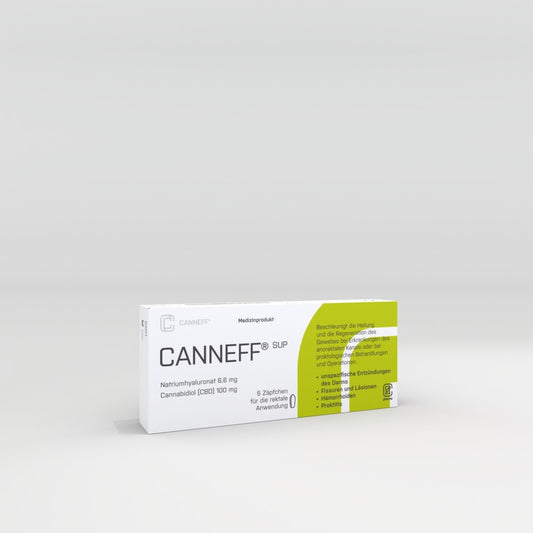
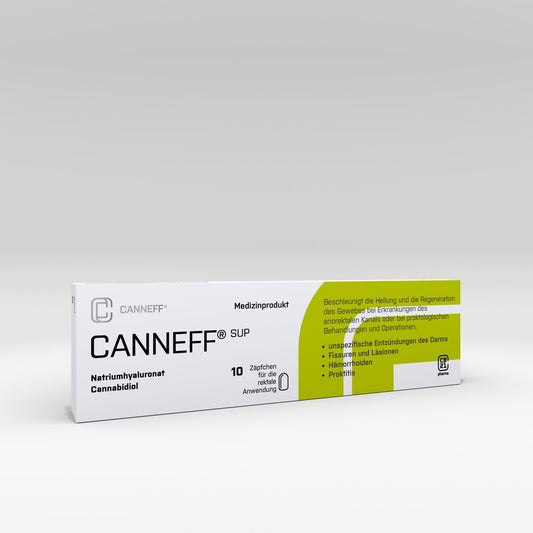
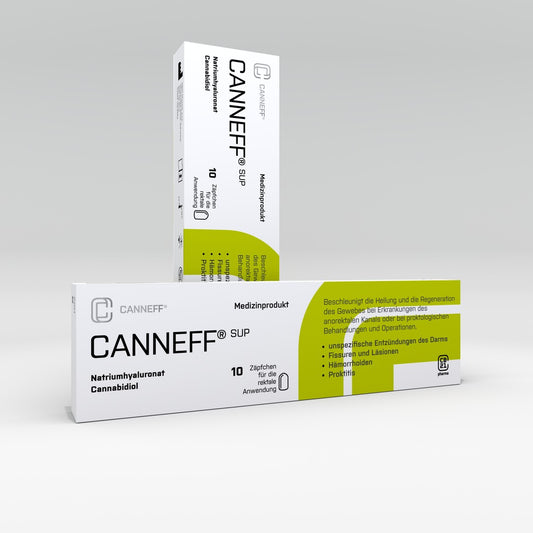
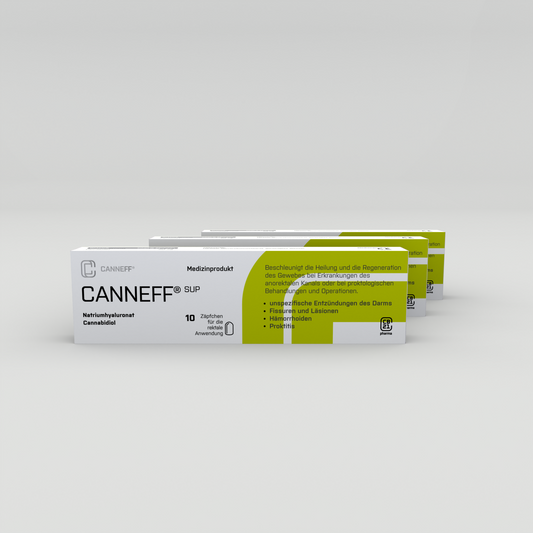
Strengthening the skin barrier with CANNEFF® SUP suppositories
CANNEFF® SUP suppositories contain soothing ingredients like cannabidiol (CBD) and hyaluronic acid, which help regenerate the skin in the anal area and reduce inflammation. Learn more about how to prevent anal eczema.
Can anal eczema be transmitted through swimming pools or saunas?
A non-infectious anal eczema cannot be directly transmitted in swimming pools or saunas. However, excessive moisture and heat can promote the growth of fungi or bacteria. This can irritate the skin and worsen an existing anal eczema.
Tips for visiting swimming pools or saunas
-
Put on dry clothes immediately after bathing
-
Use your own seat coversto avoid direct skin contact with public surfaces
-
Shower immediately after swimming and gently dry off
Are there special precautions for partners?
If an anal eczema is complicated by a fungal or bacterial infection, partners should take some precautions to avoid possible transmission. Direct skin contact with open or severely irritated areas should be avoided as much as possible, as inflamed skin provides an entry point for germs. Especially during sexual practices involving anal contact, the use of condoms or latex gloves is recommended to minimize the risk of infection.
In addition, consistent hygiene plays an important role. Towels, bed linen, and underwear should be washed regularly at at least 60 °C to reliably remove potential pathogens. If there are uncertainties or if the symptoms of anal eczema do not improve, medical clarification is advisable. Only then can it be determined whether an infectious cause is present and which targeted measures are necessary for the treatment of anal eczema. Read more here about the causes of anal eczema.
When is a doctor's visit necessary to rule out an infection?
A doctor's visit is essential if the anal eczema does not heal despite consistent treatment or if the symptoms even worsen. Particularly severe pain, pus formation, or an unpleasant odor can indicate a bacterial infection that requires targeted medical therapy. Bleeding or palpable lumps in the anal area should also be taken seriously, as they may indicate other conditions such as hemorrhoids, anal fissures, or in rare cases malignant changes. Find all information about diagnosis and examinations in the blog post on anal eczema doctor.
Additional symptoms of anal eczema such as fever or general malaise are further warning signs that may indicate a systemic infection or an underlying condition. A medical examination is crucial to determine the exact cause of the symptoms and to initiate appropriate therapy. It can clarify whether it is a bacterial infection, a fungal infestation, or another condition requiring specific treatment. Read more here about the causes of anal eczema or about the treatment of anal eczema.
How can the skin barrier be strengthened to prevent infections?
A healthy skin barrier is essential to protect the skin in the anal area from irritation and infections. Since this region is particularly sensitive and often exposed to mechanical stress, moisture, and potential pathogens, targeted measures should be taken to strengthen the skin’s resilience.
Regular use of moisturizing but mild care products helps keep the skin supple and prevents dryness or cracking. Specially developed products like CANNEFF® SUP suppositories can provide additional support by reducing inflammation, soothing the skin, and thus minimizing the risk of renewed irritation.
It is also advisable to avoid harsh soaps, perfumed wipes, or alcohol-based cleansers, as they can dry out the skin and weaken its natural protective function. Instead, the anal area should be cleaned with lukewarm water after bowel movements and gently patted dry.
The choice of clothing also plays an important role: cotton underwear promotes air circulation and prevents excessive moisture, which can encourage the growth of fungi and bacteria.
In addition to external care, a healthy diet also contributes to skin health. A balanced diet with sufficient vitamins, omega-3 fatty acids, and antioxidants supports skin regeneration and can reduce inflammatory processes in the body.
Consistent skincare and a conscious lifestyle can significantly reduce the risk of recurring anal eczema and infections.