

Which herbal remedies are suitable for treating anal eczema?
Herbal remedies can be a valuable support in the treatment of anal eczema as they have anti-inflammatory, soothing, and regenerative effects. Many of these natural remedies are available as ointments, teas, tinctures, or bath additives. Especially plants like chamomile, witch hazel, aloe vera, and calendula are known for their skin-soothing properties. They can help reduce itching, protect the skin, and accelerate healing. Propolis and tea tree oil are also often used due to their antibacterial effects. However, it is important that herbal remedies are used regularly and consistently to achieve their full effect.
Suitable herbal remedies for anal eczema
-
Chamomile: Soothes the skin, has anti-inflammatory and antiseptic effects.
-
Witch hazel: Astringent, reduces itching and swelling.
-
Aloe Vera: Moisturizes and promotes wound healing.
-
Calendula: Supports skin regeneration and has antibacterial effects.
-
Propolis: Natural bee resin with antibacterial and anti-inflammatory properties.
-
Tea tree oil: Antiseptic, helps with infections and inflammations.
-
Lavender oil: Soothing, anti-inflammatory, and regenerative.
-
Oak bark: promote wound healing and have an astringent effect.
-
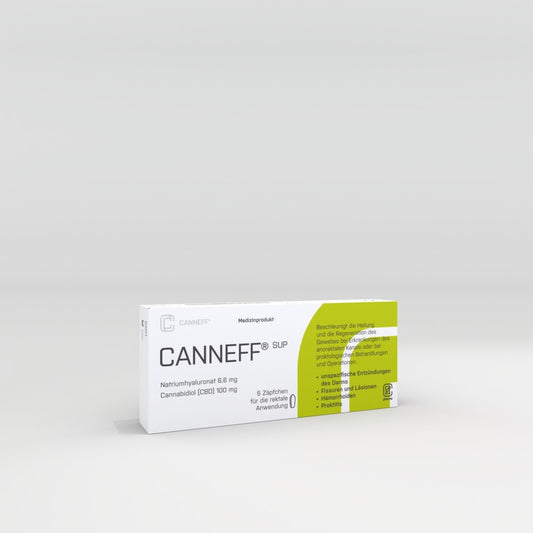
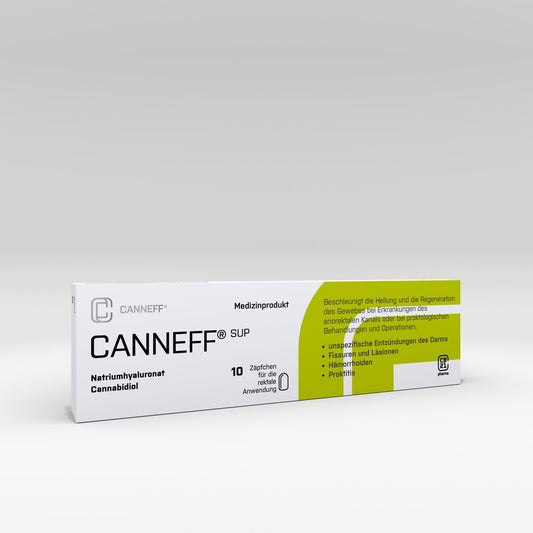
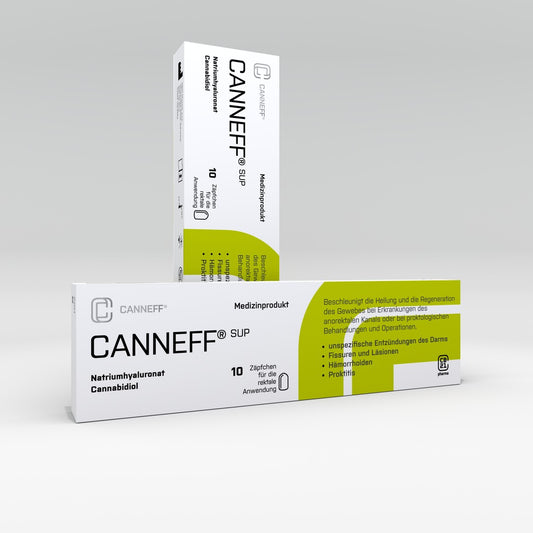
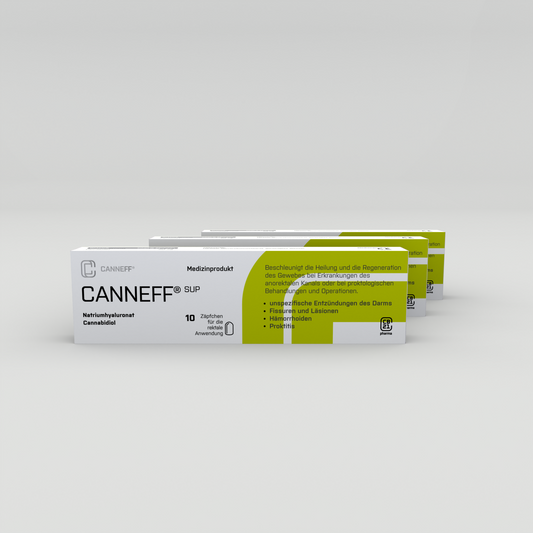
CANNEFF® SUP rectal suppositories: They contain natural CBD from hemp and hyaluronic acid and have anti-inflammatory and pain-relieving effects. Read more here about the unique active ingredient matrix of hyaluronic acid and CBD.
Can chamomile or witch hazel help relieve anal eczema?
Chamomile and witch hazel are two of the most effective herbal remedies for relieving anal eczema. Chamomile has anti-inflammatory, soothing, and antiseptic properties. It helps calm irritated skin and relieve itching. Witch hazel acts as an astringent and reduces swelling and skin irritation. Both plants can be used as bath additives, ointments, or in the form of compresses. They are especially helpful for weeping anal eczemas as they protect the skin and promote healing.
Benefits of Chamomile and Witch Hazel
Chamomile:
-
Antiseptic and anti-inflammatory effect.
-
Soothes irritated skin and relieves itching.
-
Ideal as a sitz bath, compress, or ointment.
Witch Hazel:
-
Astringent, reduces swelling and skin irritation.
-
Promotes healing of weeping eczemas.
-
Effective as an ointment or compress.
Which teas or tinctures are useful for anal eczema?
Herbal teas and tinctures can help relieve the symptoms of anal eczema from the inside and outside. While anti-inflammatory teas for internal use strengthen the immune system and support the digestive tract, tinctures and compresses can be applied directly to the affected skin. Chamomile, calendula, and oak bark teas have proven especially effective.
Suitable Teas and Tinctures for Anal Eczema
-
Chamomile Tea: Soothing internally, anti-inflammatory externally.
-
Oak Bark Tea: Has an astringent effect and promotes healing.
-
Calendula Tea: Supports wound healing.
-
Witch Hazel Tincture: Reduces itching and swelling.
Are herbal ointments a good alternative to cortisone creams?
Yes, herbal ointments can be an effective and skin-friendly alternative to cortisone creams. While cortisone quickly suppresses inflammation, long-term use can lead to skin thinning and other side effects. Herbal ointments, especially those with calendula, witch hazel, or aloe vera, work gently and sustainably.
Benefits of Herbal Ointments
-
Calendula Ointment: Promotes wound healing and protects the skin.
-
Witch Hazel Ointment: Has an astringent effect and reduces itching.
-
Aloe Vera gel: Moisturizes and cools the skin.
-
Propolis ointment: Has antibacterial properties and strengthens the skin barrier.
Are there homeopathic remedies that help with anal eczema?
Homeopathic remedies are often used to support skin health and relieve symptoms of anal eczema such as itching and inflammation. While their effectiveness is not scientifically proven, many users report positive experiences. Homeopathy is based on the principle of similarity, where highly diluted substances are intended to stimulate the body's self-healing. Various remedies may be considered for anal eczema, depending on the individual symptoms of the eczema and accompanying complaints.
-
Graphites: Often recommended for dry, cracked skin with oozing.
-
Sulfur: A classic remedy for itchy, burning skin rashes.
-
Rhus toxicodendron: Helps with eczemas accompanied by severe itching and blistering.
-
Calendula: Supports wound healing and has anti-inflammatory effects.
-
Petroleum: Suitable for cracked, scaly skin prone to blistering.
Homeopathic remedies are available in the form of globules, drops, or ointments. Ideally, the choice of the appropriate remedy should be coordinated with a homeopathic doctor or practitioner. Find further information here on alternative therapy approaches for anal eczema, or on the treatment of anal eczema with suppositories.
How does Aloe Vera work in healing anal eczema?
Aloe vera is one of the best-known medicinal plants for skin problems and also shows anti-inflammatory, moisturizing, and regenerating effects in anal eczema. The gel from the fleshy leaves of the plant contains valuable enzymes, amino acids, and antioxidants that soothe irritated skin and promote wound healing. Aloe vera can provide relief especially for weeping or itchy eczema.
The application is simple: fresh aloe vera gel can be applied directly to the affected skin. Alternatively, there are ointments or creams with aloe vera as the main ingredient. Regular use helps keep the skin supple and reduces the feeling of tightness. Aloe vera can also be combined with other plant-based ingredients like witch hazel or chamomile to enhance the anti-inflammatory effect.
-
Moisturizes and prevents drying out
-
Has anti-inflammatory effects and soothes irritated skin
-
Promotes wound healing and skin regeneration
-
Relieves itching and tightness
Aloe vera can be well integrated into daily skincare but should be tested carefully first in case of open wounds or severe irritation. Read more here about eczema treatment with home remedies.
Are essential oils like tea tree oil or lavender oil suitable for treatment?
Essential oils have strong antibacterial, antifungal, and anti-inflammatory properties, which is why they are often used in skincare. Tea tree oil is especially known for its germ-killing effect and can help with infected or inflamed eczema. Lavender oil, on the other hand, has a soothing effect and supports skin regeneration. However, both oils should be used with caution as they can irritate the skin in pure form.
For application, it is recommended to mix a few drops of the essential oil with a carrier oil such as coconut oil or almond oil. This mixture can then be gently applied to the affected skin area. Alternatively, a few drops of essential oil can be added to a sitz bath or a herbal compress to benefit from the anti-inflammatory properties.
-
Tea tree oil: Strongly antibacterial and antifungal, but only use diluted
-
Lavender oil: Soothing, anti-inflammatory, and skin-regenerating
-
Chamomile oil: Antiseptic and soothing for sensitive skin.
Mixing with coconut or almond oil is recommended. Do not apply to open wounds, as it may cause irritation. Essential oils are a good complement to anal eczema treatment, but should always be used in low doses and with a carrier oil.
Which herbal bath additives can be used for anal eczema?
Sitz baths with herbal additives are a proven method to relieve anal eczema. They help reduce itching, inhibit inflammation, and gently cleanse the skin. Medicinal herbs with soothing, astringent, or antiseptic properties are especially recommended.
Some of the most effective bath additives are:
-
Oak bark: Acts as an astringent, relieves itching, and reduces weeping
-
Chamomile: Soothes the skin and has an antiseptic effect
-
Calendula: Supports wound healing and has anti-inflammatory effects
-
Witch Hazel: Promotes skin regeneration and helps against irritation
-
Lavender: Relaxes and soothes sensitive skin
To use, pour hot water over the dried herbs and let steep for 10–15 minutes. The infusion is then added to the sitz bath. Alternatively, bath additives in the form of tinctures or oils can be used.
-
Sitz baths with medicinal herbs relieve itching and inflammation
-
Astringent plants like oak bark help with weeping eczema
-
Gentle herbs like chamomile or lavender soothe irritated skin
-
Usage: soak for 10–15 minutes in lukewarm water
Regular sitz baths can support the healing of anal eczema and provide relief.
Can switching to a plant-based diet help heal anal eczema?
Nutrition plays a significant role in healing skin conditions, including anal eczema. A plant-based, anti-inflammatory diet can help relieve the body and promote skin regeneration. Certain foods have been proven to positively affect the skin's appearance and reduce inflammation.
-
High-fiber foods: Whole grain products, vegetables, and fruits support healthy digestion and prevent constipation, which can worsen anal eczema.
-
Omega-3 fatty acids: Found in flaxseeds, chia seeds, and walnuts, they have anti-inflammatory effects and support skin healing.
-
Probiotic foods: Yogurt, sauerkraut, and kefir help stabilize the gut flora and strengthen the immune system.
-
Antioxidant-rich foods: Berries, spinach, and turmeric contain valuable secondary plant compounds that fight free radicals and reduce inflammation.
At the same time, irritating foods should be avoided:
-
Spicy foods and excessive coffee consumption can worsen skin irritation.
-
Industrially processed foods often contain additives that promote inflammation.
-
Alcohol and sugar can negatively affect the skin’s appearance and should be reduced.
A dietary change requires patience but often shows long-term success in improving skin conditions like anal eczema. Read more here about the causes of anal eczema.
Is there scientific evidence for the effectiveness of herbal remedies in anal eczema?
Many herbal remedies have been used in natural medicine for centuries, but not all have been thoroughly scientifically studied. However, some studies confirm the anti-inflammatory and skin-healing properties of certain plant extracts:
-
Chamomile: Proven to be anti-inflammatory and to promote wound healing.
-
Aloe Vera: Scientifically proven for its moisturizing and regenerative effects.
-
Witch Hazel: Clinical studies show an astringent effect that is helpful for eczema.
-
Propolis: Studies demonstrate antibacterial and healing-promoting effects.
While herbal remedies can be a useful supplement, it is advisable to coordinate their use with a doctor. Read more here about the treatment of anal eczema, or go directly to the diagnosis and examinations in the blog post on anal eczema doctor.