

What are the causes of vaginal dryness?
The development of a dry and often sore vagina there is no single decisive factor. Both physical and psychological causes can be responsible for the lack of moisture. The main causes of dry vagina are presented in this article.

Estrogen deficiency as a cause of vaginal dryness
One of the most common causes of vaginal dryness is hormonal imbalance, especially a lack of estrogen. Estrogen plays a crucial role in maintaining moisture and elasticity of the vaginal mucosa. Estrogen deficiency can be triggered by various factors, such as menopausepregnancy, breastfeeding, or certain illnesses. During menopause for example, estrogen levels drop due to natural hormonal changes, leading to a thinner, less elastic vaginal mucosa and reduced moisture production. Other menopause symptoms can be found in the special blog post about menopause symptoms. Certain medical procedures or therapies, such as ovary removal or chemotherapy, can also cause a drastic drop in estrogen levels and thus lead to vaginal dryness. Hormonal imbalance is therefore a central cause of vaginal dryness and should be taken into account during diagnosis and treatment.
Menopause as a cause of vaginal dryness
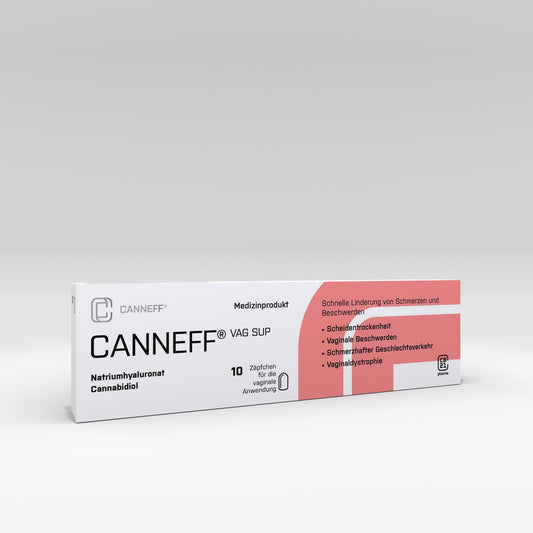
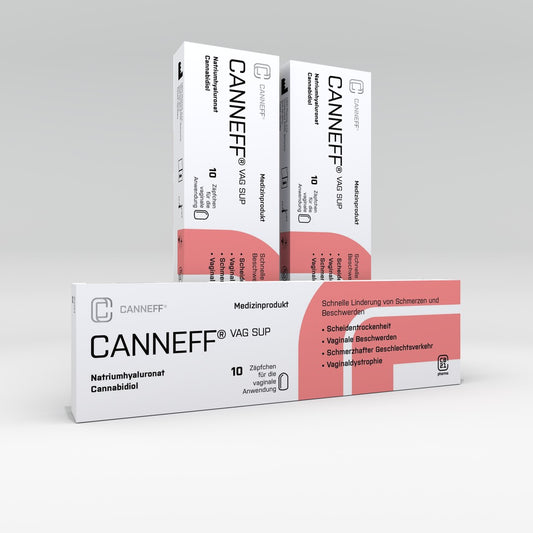
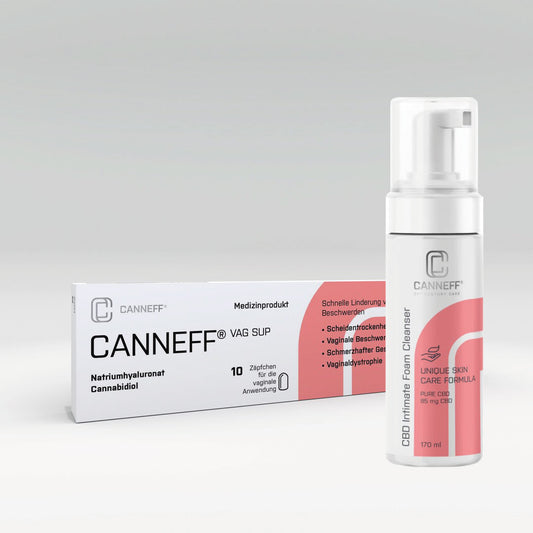
Women in their menopause. During this phase of life, estrogen production decreases, which alongside other menopause symptoms leads to significant changes in the vaginal mucosa: it becomes thinner, less elastic, and produces less moisture. These changes are due to the declining estrogen levels, which make the skin and mucous membranes of the vagina more sensitive and prone to injury, fissures (cracks) and lesions and thus also increased Pain during intercourse can occur. Furthermore, a dry vagina provides an easy entry point for pathogens that cause conditions like Vaginitis or Urinary tract infection can trigger it. From a medical perspective, this is referred to as vaginal atrophy. Additionally, blood flow to the vagina and labia decreases with age, which can also contribute to vaginal dryness. An appropriate treatment such as the use of CANNEFF Vaginal Suppositories with CBD and hyaluronic acid is essential to maintain vaginal protection, relieve pain, and heal injuries faster.
In addition to the causes already mentioned, there are other factors that can lead to estrogen deficiency and resulting vaginal dryness.
Oophorectomy as a cause of vaginal dryness
The removal of the ovaries, also called oophorectomy, leads to a sudden drop in estrogen levels because the ovaries are responsible for producing this hormone. This can cause immediate vaginal dryness and other symptoms that are usually associated with menopause.
Childbirth as a cause of vaginal dryness
After childbirth, vaginal dryness can also occur. vaginal dryness occur. During pregnancy and especially during breastfeeding, estrogen levels drop to promote milk production. This hormonal change can temporarily reduce vaginal mucosal moisture and lead to dryness.
Cancer treatments as a cause of vaginal dryness
Certain medical treatments can also be the cause. Chemotherapy can affect hormone production and thus vaginal dryness can cause it as a side effect. Radiation in the pelvic area can also impair ovarian function or damage the mucous membranes, which also leads to dryness and discomfort in the vaginal area.
Diseases as a cause of vaginal dryness
Vaginal dryness can also occur in the context of diseases. Vaginal dryness occur.
High blood pressure as a cause of vaginal dryness
Also known as hypertension, high blood pressure can impair blood flow to tissues, including the vaginal mucosa, which can lead to dryness.
Diabetes mellitus as a cause of vaginal dryness
This metabolic disease can lead to reduced blood flow and nerve function, negatively affecting vaginal moisture and promoting dryness and infections.
Endometriosis as a cause of vaginal dryness
A benign growth of the uterine lining outside the uterus that causes pain and inflammation and can also increase vaginal dryness due to hormonal imbalances.
Multiple sclerosis as a cause of vaginal dryness
This chronic disease of the central nervous system can affect the nerve pathways responsible for vaginal lubrication, leading to dryness.
Sjögren's syndrome as a cause of vaginal dryness
An autoimmune disease that often occurs after menopause and is characterized by the destruction of the tear glands and salivary glands can also reduce moisture production in the vagina.
Vaginal mycosis (vaginal yeast infection) as a cause of vaginal dryness
This common infection can disrupt the delicate balance of the vaginal flora and cause dryness as well as irritation. Of course, other infections can also lead to Vaginitis and resulting vaginal dryness.
Infections with human papillomaviruses (HPV) as a cause of vaginal dryness
Certain HPV infections can damage the vaginal mucosa and lead to inflammation and dryness.
Psychological stress as a cause of vaginal dryness
In addition to physical factors, psychological aspects also play a significant role in the development of vaginal dryness. Psychological stresses such as stress, anxiety, and depression can impair sexual arousal and thus reduce the natural lubrication of the vagina. Furthermore, negative experiences, such as a tabooed sexual education or traumatic experiences, can impair natural moisture production and lead to Pain during intercourse lead to. These mental stresses often cause the body to respond insufficiently to sexual stimuli, resulting in reduced moisture of the vaginal mucosa.
These findings emphasize the importance of a holistic approach in treating vaginal dryness, considering both physical and psychological aspects.

External influences as a cause of vaginal dryness
Contraceptives as a cause of vaginal dryness
Hormonal contraceptives such as the birth control pill, contraceptive patch, or hormonal IUD can affect estrogen levels and thereby reduce the natural moisture of the vaginal mucosa.
Certain medications as a cause of vaginal dryness
Some medications, such as antihistamines, antidepressants, or blood pressure drugs, can cause reduced mucus production as a side effect and thus vaginal dryness promote.
Excessive consumption of intoxicants as a cause of vaginal dryness
Excessive consumption of alcohol, nicotine, or other drugs can impair blood circulation and disrupt hormonal balance, which can Dryness in the vaginal area can lead to.
Excessive intimate hygiene as a cause of vaginal dryness
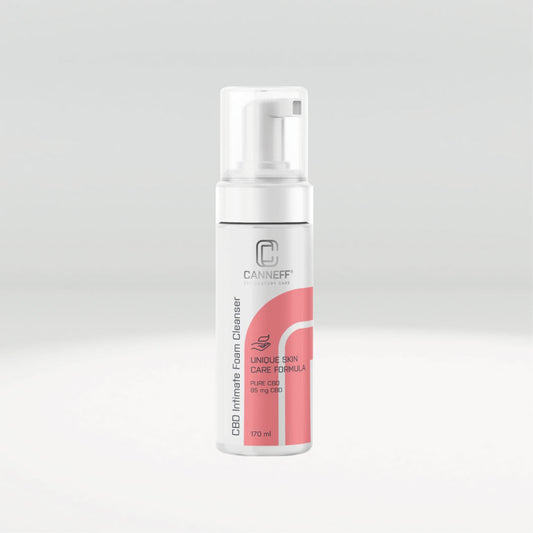
The use of harsh soaps, shower gels, or washing solutions can disrupt the natural balance of the vaginal flora and dry out the mucous membranes. Frequent rinsing or the use of perfumed products can also irritate the sensitive skin of the vagina and cause dryness. Suitable products such as CANNEFF Intimate Care Foam can contribute to healthy intimate cleansing.