

Which herbal remedies help with PMS symptoms?
There are a variety of herbal remedies that can relieve PMS complaints. Particularly effective are medicinal plants that have hormone-regulating, anti-inflammatory, or calming effects. Some of these plants directly influence the hormone balance, while others act on the nervous system or muscles, thereby alleviating symptoms such as pain, mood swings, or digestive problems.
|
Plant |
Effect |
Use for PMS symptoms |
|
Chasteberry |
Regulates hormone balance |
Reduces breast tenderness, cycle disorders, mood swings |
|
St. John's Wort |
Mood-enhancing |
Helps with irritability, depressive moods |
|
Lavender |
Calming, antispasmodic |
Relieves stress, anxiety, and cramps |
|
Hemp extract (CBD) |
Anti-inflammatory, relaxing |
Reduces pain, stress, and muscle tension |
|
Ginger |
Anti-inflammatory, digestive aid |
Helps with nausea and gastrointestinal complaints |
|
Peppermint |
Antispasmodic, calming |
Relieves bloating, digestive issues, and headaches |
These medicinal plants can be used as tea, capsules, drops, or essential oils.
Can chasteberry really relieve PMS symptoms?
Chasteberry is one of the best-known herbal remedies for PMS and is often used for hormonal complaints. The active ingredients in the seeds affect dopamine metabolism, leading to a reduction in prolactin levels. This helps balance hormonal imbalances and relieve symptoms such as breast tenderness, irregular cycles, and mood swings.
Studies show that the effects of chasteberry become noticeable after about three months. It is especially suitable for women with an imbalanced progesterone-estrogen ratio.
Which herbs have hormone-regulating effects for PMS?
Besides chasteberry, there are other herbs that regulate hormones and can relieve PMS complaints:
Yarrow: Supports the liver in hormone processing and relieves cramps.
Lady's Mantle: Stabilizes hormone levels and helps with irregular cycles.
Yam Root: Contains plant-based progesterone precursors that can help balance hormonal imbalances.
Soy Isoflavones: Phytoestrogens that can positively affect hormonal fluctuations.
These herbs can be taken as tea or dietary supplements.
Are there herbal alternatives to painkillers for PMS?
Yes, some medicinal plants have pain-relieving and anti-inflammatory properties that offer a natural alternative to chemical painkillers like ibuprofen.
|
Plant |
Effect |
|
Willow Bark |
Contains salicin, a natural precursor to aspirin |
|
Ginger |
Has anti-inflammatory effects and reduces pain |
|
Turmeric |
Inhibits inflammation and supports the liver in hormone processing |
|
Devil's Claw |
Relieves muscle and joint pain |
|
Magnesium-rich herbs (nettle, dandelion) |
Relax the muscles and prevent cramps |
These plants can be used in the form of tea, extracts, or dietary supplements.
How do St. John's Wort and Lavender help with PMS mood swings?
St. John's Wort is known for its mood-enhancing effects and is often used for depressive moods or irritability. It influences serotonin levels and can stabilize PMS-related emotional fluctuations. Lavender has a calming effect on the nervous system and is especially helpful for anxiety, stress, and sleep problems.
A combination of both medicinal plants can help gently regulate emotional PMS symptoms.
What role does hemp extract play in natural PMS treatment?
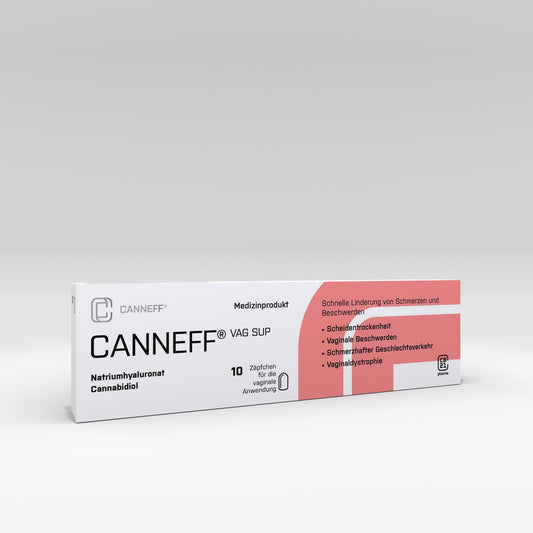
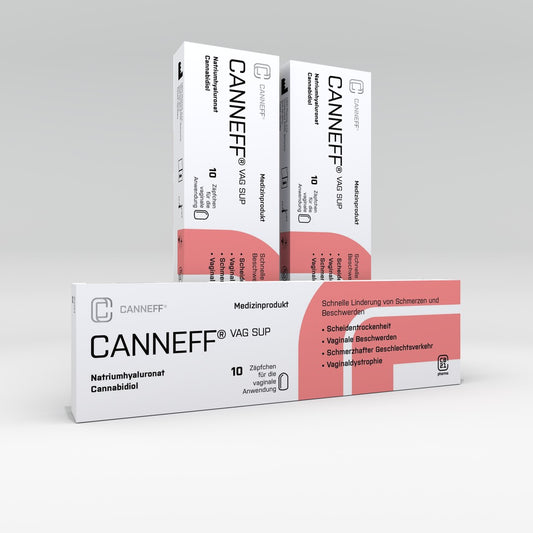
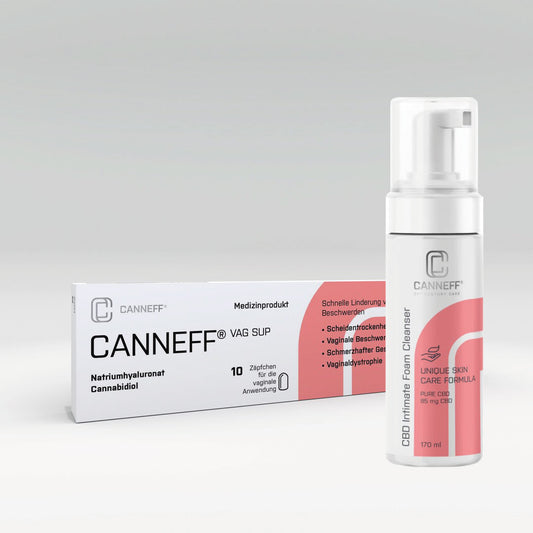
Hemp extract, especially cannabidiol (CBD), has anti-inflammatory and relaxing properties. It acts directly on the endocannabinoid system, which is involved in regulating pain, mood, and sleep. Studies show that CBD-containing suppositories like CANNEFF® Vaginal Suppositories can relieve symptoms such as cramps, mood swings, and sleep problems.
Can teas with ginger or peppermint relieve PMS symptoms?
Yes, certain teas have a soothing effect on PMS.
Ginger tea: Reduces inflammation and relieves nausea.
Peppermint tea: Relieves cramps and helps with digestive problems.
Chamomile tea: Has a relaxing effect and promotes sleep.
Yarrow tea: Supports hormonal balance and relieves menstrual discomfort.
Daily consumption can help naturally reduce PMS symptoms.
Why are herbal remedies often better tolerated than medications?
Herbal remedies generally have fewer side effects than synthetic medications because they act more gently on the body. They support the body's natural processes without drastically altering them. Nevertheless, they should be used purposefully and discussed with a doctor in case of severe symptoms.
Which essential oils help with PMS cramps and tension?
Essential oils can be used as massage oils or for aromatherapy to relieve PMS symptoms:
|
Essential oil |
Effect |
|
Lavender |
Calms the nervous system and reduces stress |
|
Rosemary |
Promotes circulation and relaxes muscles |
|
Peppermint |
Relieves cramps and refreshes the mind |
|
Clary sage |
Regulates hormone balance and relieves pain |
|
Chamomile |
Reduces anxiety and helps with sleep problems |
A few drops mixed into a carrier oil like almond oil and applied to the lower abdomen can relieve cramps and tension.
How long does it take for herbal PMS remedies to show their effects?
The effects of herbal remedies usually do not occur immediately. While herbal teas and essential oils can provide quick relief, hormone-regulating plants like chasteberry or yam root often require several weeks to months before noticeable improvement occurs.
For sustainable results, regular use over at least three months is recommended. Herbal remedies can be a gentle yet effective alternative to medicinal PMS treatments. Whether chasteberry, St. John's wort, hemp extract, or essential oils – depending on the symptoms, there are numerous natural aids that support the female cycle and relieve discomfort.