

PMS or pregnancy? How to correctly distinguish the symptoms
PMS and early pregnancy share many similarities as both involve hormonal changes. Typical symptoms like nausea, breast tenderness, and fatigue can indicate either premenstrual syndrome or pregnancy. A key difference is the onset of menstruation: with PMS, symptoms usually disappear when bleeding starts, whereas in pregnancy, they persist or intensify. The severity of the symptoms can also be a clue – PMS symptoms are typically cyclical and similar each period, while pregnancy symptoms can vary in intensity.
|
Symptom |
PMS |
Pregnancy |
|
Breast tenderness |
Frequent, decreases before the period |
Often more intense, persists |
|
Nausea |
Rare, usually mild nausea |
More frequent, often pronounced in the morning |
|
Fatigue |
Increases before the period |
Persistent, often stronger |
|
Cravings |
Often to chocolate or salty foods |
To specific foods |
|
Emotions |
Irritability, mood swings |
Strong emotional sensitivity |
|
Bleeding |
Starts on time |
Misses |
If uncertain, a pregnancy test after a missed period provides clarity.
Nausea, breast tenderness, fatigue: PMS or a baby after all?
These symptoms can occur in both cases. While nausea is common with PMS, it is a typical sign of early pregnancy, especially in the morning. Breast tenderness occurs both before the period and during pregnancy but usually lasts longer and is more intense during pregnancy. Fatigue is possible in both cases, but it is often more pronounced and lasts longer in early pregnancy.
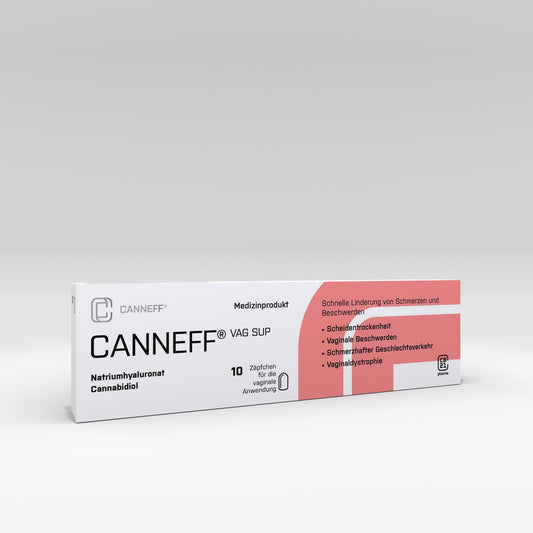
CANNEFF® VAG SUP is not recommended during pregnancy and breastfeeding, as there are no clinical data available for these periods. Women who suspect they might be pregnant should consult their doctor before using medical products.
When is a pregnancy test advisable with PMS-like symptoms?
A pregnancy test is advisable if the period is missed or lighter than usual. Most commercially available tests can detect the pregnancy hormone hCG about 10 to 14 days after fertilization. If symptoms are severe but the test is negative, it should be repeated after a few days.
How do PMS mood swings differ from early pregnancy signs?
Mood swings are a common symptom of both conditions. While PMS is mainly characterized by irritability, anger, or sudden sadness, pregnancy often involves stronger emotional fluctuations. Women report increased sensitivity, tearfulness, or excessive joy. Emotional instability in pregnancy is intensified by the rapid rise of hCG and progesterone, while PMS mood swings are related to the drop in estrogen and serotonin.
Why can PMS and early pregnancy have such similar symptoms?
The reason for the similarity of symptoms lies in the hormonal changes that occur in both cases. Progesterone rises after ovulation in both a normal cycle and during pregnancy. However, in pregnancy, the progesterone level remains high, while in PMS it drops again shortly before the period. These hormonal fluctuations affect the body in a similar way, which is why it can be difficult to distinguish the two conditions based on symptoms alone.
PMS or pregnancy: How does the hormone level change?
The hormone level is the decisive factor for the differences between PMS and pregnancy.
|
Hormone |
PMS progression |
Pregnancy progression |
|
Progesterone |
Rises after ovulation, falls before the period |
Remains high to maintain pregnancy |
|
Estrogen |
Fluctuates, drops before the period |
Rises continuously |
|
hCG |
Not present |
Rises rapidly after implantation |
While PMS ends with the drop in hormones, in pregnancy, especially the pregnancy hormone hCG remains high to maintain the uterine lining.
Which signs are more indicative of PMS than pregnancy?
Signs that point more strongly to PMS include cyclical symptoms that repeat from cycle to cycle and disappear with the onset of menstruation. Additionally, an increased craving for chocolate or salty snacks is typical for PMS, while pregnancy cravings often involve unusual combinations.
PMS or pregnant? How cravings can manifest in both cases
Cravings occur in both PMS and pregnancy, but with differences. PMS cravings often focus on quick energy sources like sugar or salt to stabilize blood sugar levels. In pregnancy, there can be specific cravings, often for unusual food combinations.
Can an irregular cycle make it harder to distinguish between PMS and pregnancy?
Yes, with an irregular cycle, it is more difficult to determine whether a late period indicates PMS or pregnancy. Women with cycle irregularities should watch for other symptoms or take a pregnancy test if the period is unusually late.
What role does the progesterone level play in PMS and pregnancy?
Progesterone is the dominant hormone in the second half of the cycle and plays a key role in both cases. While it rises after ovulation and drops shortly before menstruation in PMS, it remains at a high level during pregnancy. A stable progesterone level is essential for the implantation of the egg and the maintenance of pregnancy.