

What options does a doctor have to treat PMS?
Depending on how severe the PMS symptoms are and what the patient needs, there are different options to treat premenstrual syndrome (PMS). Often, a birth control pill is prescribed first to suppress ovulation and reduce hormone fluctuations. Additionally, a doctor may prescribe painkillers or antidepressants like selective serotonin reuptake inhibitors (SSRIs) to relieve severe physical and psychological symptoms. Diuretics are used for water retention. In more severe cases or with premenstrual dysphoric disorder (PMDD), cognitive behavioral therapy or hormone therapy may be considered.
What medications are used to treat PMS?
Medication treatment for PMS includes a variety of approaches depending on the symptoms:
Hormonal contraceptives:
The birth control pill, hormone patch, or depot injection help regulate hormone levels and relieve PMS symptoms like cramps, headaches, and mood swings.
Antidepressants (SSRIs):
These medications, such as citalopram, fluoxetine, and sertraline, help stabilize mood and reduce anxiety and depression triggered by PMS.
Painkillers:
NSAIDs like ibuprofen or diclofenac help with menstrual pain as well as headaches and back pain.
Diuretics:
Diuretics like spironolactone are a good solution for water retention that can cause swelling before your period.
What measures can I take to relieve PMS symptoms?
There are a variety of measures you can take to relieve PMS symptoms:
Regular exercise:
Sports like jogging, swimming, or yoga improve circulation, relieve cramps, and release endorphins that boost mood.
Relaxation techniques:
Autogenic training, meditation, and hot baths can help reduce stress and ease symptoms.
Low-salt diet:
Reduce salt intake to avoid water retention.
Avoid alcohol and nicotine:
These substances can worsen PMS symptoms, especially irritability and sleep disturbances.
How should I eat during PMS?
A conscious diet can significantly alleviate PMS symptoms. Here are some tips:
Vitamin- and mineral-rich diet:
You can focus on foods rich in calcium, vitamin B6, and magnesium. These have been proven to positively affect mood and can also help with physical complaints like breast tenderness.
Reduced sugar and caffeine intake:
You should avoid sugar and caffeine, as they can cause cravings and mood swings.
Omega-3 fatty acids:
Omega-3 fatty acids, found for example in fish or walnuts, can reduce inflammation and ease PMS symptoms.
Complex carbohydrates:
Whole grains, vegetables, and legumes help keep blood sugar levels stable, so your mood is less likely to be affected quickly.
How does my lifestyle affect the treatment of PMS?
Your lifestyle plays a big role in how severe and often you experience PMS symptoms. Regular exercise releases endorphins, which reduce stress. Learning to relax or regularly taking time for yourself can help manage mood swings and irritability. Additionally, being mindful with indulgences like alcohol and caffeine and eating a balanced diet helps keep hormone levels stable, which can significantly reduce PMS symptoms.

How can CANNEFF suppositories help me in treating PMS?
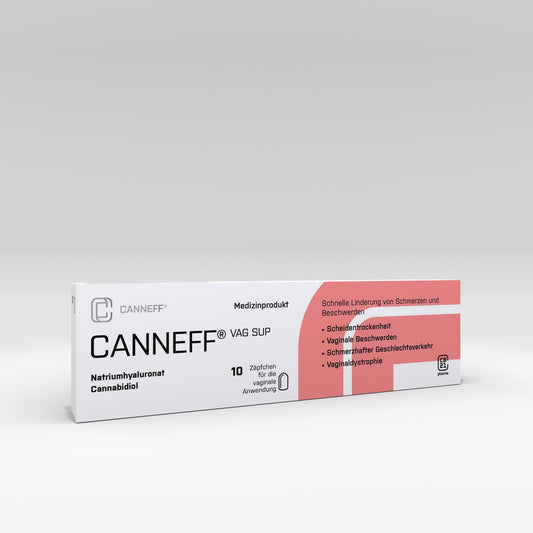
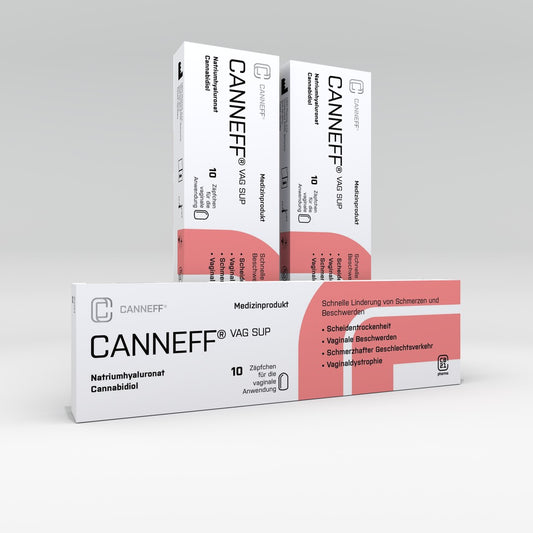
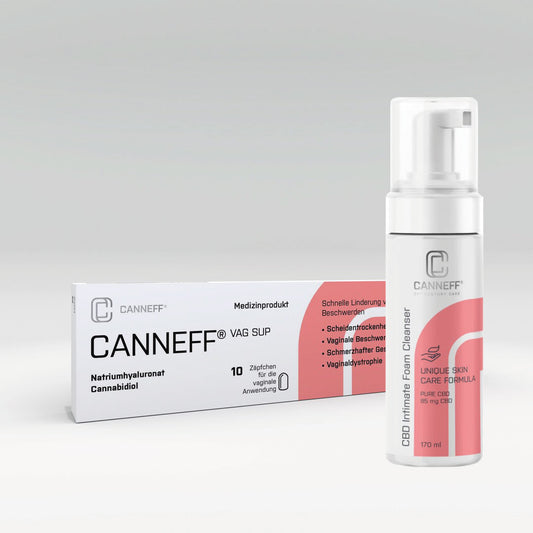
CANNEFF vaginal suppositories with cannabidiol (CBD) and hyaluronic acid are a great way to relieve PMS symptoms. They can especially help with vaginal discomfort, pain, and dryness. The patented emulsion matrix of the suppositories ensures that hyaluronic acid is released five times better than in conventional vaginal suppositories. This optimally moisturizes the mucous membrane and promotes faster healing. CBD acts as an antioxidant and anti-inflammatory agent, helping to relieve pain and soothe irritated tissue.
Although CANNEFF suppositories were primarily tested on women in menopause, many results can also be applied to women with PMS because the symptoms are partly similar.
Relevant effects of CANNEFF suppositories for PMS:
Vaginal dryness and itching:
These symptoms, which can occur both in menopause and before menstruation, are alleviated by the moisturizing effect of hyaluronic acid and the anti-inflammatory properties of CBD.
Lower abdominal and vaginal pain:
CBD has anti-inflammatory effects and can help relieve pain and cramps often associated with PMS.
Sleep disturbances and general restlessness:
Studies have shown that CANNEFF suppositories help women in menopause feel better. They can also be helpful for PMS symptoms such as sleep disturbances and stress.
CANNEFF suppositories can be used two to five days before the period to relieve vaginal discomfort and promote overall well-being. They are a natural, non-hormonal solution to ease PMS symptoms.