

How can I prevent vaginal dryness?
For the development of a dry and often sore vagina there is no decisive reason. Both physical and psychological factors can be responsible for the lack of moisture. The main causes and how to counteract them to prevent dry vagina to prevent, are presented in this article.
Prevention of vaginal dryness: important measures and causes
Vaginal dryness is a common problem that can be caused by various factors, but there are many ways to prevent and treat it. A central approach to preventing Vaginal dryness is maintaining a healthy hormonal balance, especially by keeping a stable estrogen level. Estrogen is crucial for the moisture and elasticity of the vaginal mucosa. When estrogen levels drop, for example during menopauseafter childbirth, through the removal of the ovaries, or as a side effect of certain medical treatments such as chemotherapy, this can lead to reduced moisture production in the vagina.
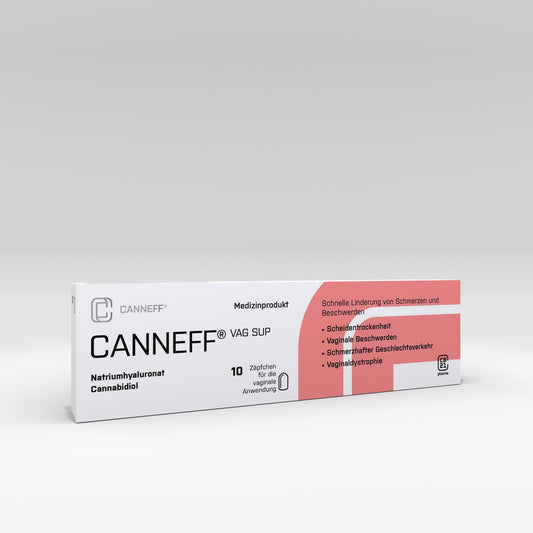
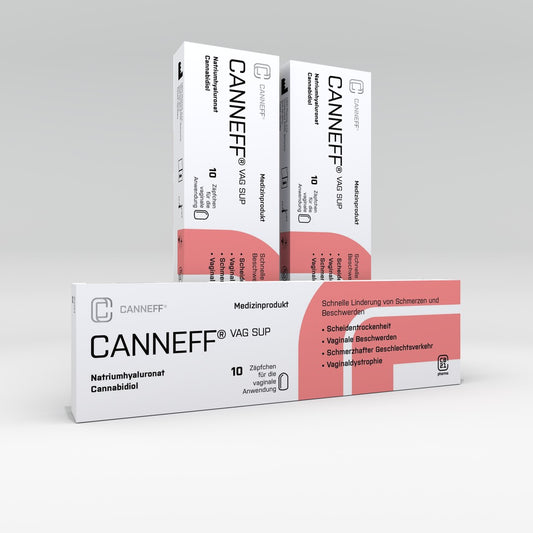
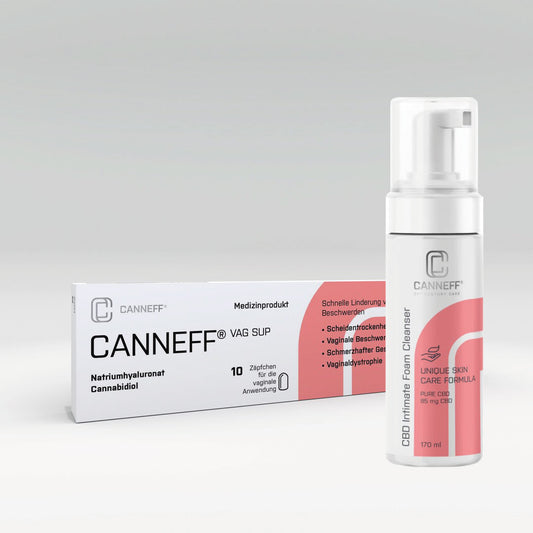
However, there are several measures to Vaginal dryness to prevent or alleviate. Hormonal treatment, such as the use of estrogen-containing creams or suppositories, can help improve the moisture and elasticity of the vaginal mucosa. In addition, moisturizing Vaginal suppositories with ingredients such as Hyaluronic acid and CBD supportive in protecting the mucous membrane and promoting the healing of minor injuries.
In addition to hormonal changes, lifestyle factors can also play a role. A balanced diet, adequate fluid intake, and avoiding excessive consumption of indulgences like alcohol and nicotine can also help support the balance of the vaginal flora and keep the mucous membranes healthy. Excessive intimate hygiene should be avoided, as aggressive cleaning agents can disrupt the natural moisture of the vaginal mucosa.
Psychological factors such as stress or anxiety can also affect the natural lubrication of the vagina. Stress management techniques and open communication with the partner can help reduce psychological pressure and thus promote sexual health.
Overall, the prevention of Vaginal dryness a multifactorial approach that considers hormonal, physical, and psychological aspects. Targeted measures and treatments can significantly improve quality of life and effectively relieve symptoms.
How can vaginal dryness caused by hormonal changes be prevented?
To prevent estrogen deficiency that can lead to vaginal dryness, maintaining a stable hormone level is important. Hormone replacement therapy can help women in menopause or after ovary removal maintain vaginal mucosa moisture. Additionally, herbal preparations with phytoestrogens such as soy or red clover can provide support.
What options are available to prevent vaginal dryness after childbirth and breastfeeding?
After childbirth and during breastfeeding, estrogen levels can drop, leading to dryness. To prevent this, estrogen-free moisturizing creams or Vaginal suppositoriesthat are specially designed to moisturize the vaginal mucosa. Adequate fluid intake and a balanced diet are also important.
How can vaginal dryness caused by medical treatments be prevented?
Before medical treatments such as chemotherapy or radiation, the possible side effect of vaginal dryness should be discussed. Moisturizing vaginal products and proper intimate hygiene can help relieve symptoms and protect the vaginal mucosa. Regular gynecological examinations are also important.
What approaches are there to prevent vaginal dryness in chronic diseases?
In diseases such as diabetes, high blood pressure, or multiple sclerosis, good control of the underlying condition helps prevent vaginal dryness. The use of moisturizing care products for the intimate area and regular medical monitoring can provide additional support.
How can vaginal dryness caused by an autoimmune disease be prevented?
To prevent vaginal dryness in autoimmune diseases such as Sjögren's syndrome, it is important to keep the disease under control with appropriate therapies. Moisturizing vaginal products are also helpful to support the vaginal mucosa. Specialist advice for individually tailored care plans is recommended.
What options are available to prevent vaginal dryness in vaginal infections?
Good intimate hygiene and the use of mild, fragrance-free products are important to vaginal infections and resulting Vaginal dryness to be avoided. If an infection is suspected, a doctor should be consulted as soon as possible to initiate appropriate treatment.
How can managing psychological stress contribute to preventing vaginal dryness?
Psychological factors such as stress or anxiety can affect the natural lubrication of the vagina. Stress management techniques like meditation or yoga, and open communication with your partner can help reduce psychological strain and promote vaginal health.
How can vaginal dryness caused by contraceptives be prevented?
When choosing hormonal contraceptives, it is advisable to consider their possible effects on vaginal moisture. Discussing alternative methods with your doctor that have less impact on hormone levels, such as condoms or hormone-free IUDs, can be useful.
Can vaginal dryness caused by medication side effects be prevented?
If medications like antihistamines or antidepressants cause vaginal dryness, you should discuss possible alternatives or additional moisturizing products with your doctor to protect the vaginal mucosa.
How can managing indulgences help prevent vaginal dryness?
Avoiding or reducing alcohol and nicotine can support blood circulation and hormonal balance, which helps prevent vaginal dryness. Recent findings show that any amount of alcohol is concerning for health and consumption is never beneficial.
What options are there to prevent vaginal dryness through proper intimate hygiene?
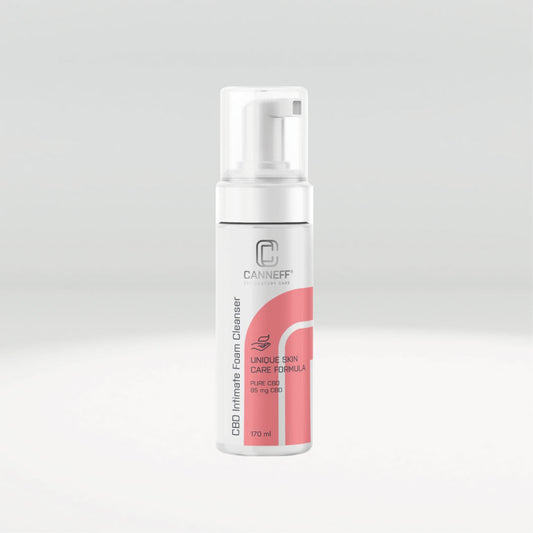
To avoid vaginal dryness caused by excessive intimate hygiene, mild, fragrance-free cleansing products should be used and excessive washing avoided. Special intimate care products can help maintain the natural balance of the vaginal flora and protect the mucous membranes. Special care products such as CANNEFF intimate care foam are ideal for healthy intimate cleansing and maintain the vaginal environment. Also use pads instead of tampons or a menstrual cup to reduce the risk of vaginal dryness.
Through targeted prevention and the use of appropriate measures, the risk of Vaginal dryness can be significantly reduced. Close collaboration with medical professionals and individualized adjustment of care and treatment are crucial in this regard.