

What is a vaginal infection?
Vaginal infections are among the most common reasons for women to visit a doctor. A vaginal infection, also known as vaginitis, describes inflammation of the vagina caused by various factors. These range from bacterial and viral infections to fungal infestations. Women of all ages can be affected, with symptoms and severity of the infection varying. In this article, we focus in detail on the symptoms of a vaginal infection to give you a better understanding of this common condition. Detailed information about vaginal infection can also be found in the blog post Vaginal Infection.
Typical symptoms of a vaginal infection
A vaginal infection has typical symptoms that can help you recognize that your vagina is inflamed.
Unusual discharge:
One of the most common signs is unusual discharge. The discharge may be discolored, have an unusual odor, or an abnormal consistency. Therefore, pay close attention to any deviations from normal discharge.
Itching and burning:
These symptoms often occur in the vagina and the external genital area. They can be very unpleasant and significantly affect daily life. Scratching or rubbing can cause additional injuries and irritation as well as secondary infections.
Pain:
Pain or discomfort may occur during urination or sexual intercourse. These symptoms are particularly distressing and should definitely be examined by a doctor. Symptoms tend to worsen and become noticeable especially at night and during rest.
Redness and swelling:
Inflammation of the external genitalia can lead to visible redness, swelling, and irritation. These symptoms are often accompanied by itching and burning. You can also find more information about a sore vagina in the blog post "Sore Vagina”.
Other possible symptoms:
Depending on the type of vaginitis, other symptoms may occur, such as vaginal dryness, blistering, burning when urinating, and bleeding.
Asymptomatic courses:
It is important to note that some women show no symptoms despite an infection. However, this does not mean the infection should not be treated. Therefore, routine visits to your gynecologist are essential.
Summary of symptoms of vaginal inflammation by type of pathogen
Bacterial vaginosis:
- Thin, fishy-smelling discharge.
- Mild itching or burning.
- Pain during sexual intercourse.
- Burning when urinating.
Fungal infections (e.g., Candida albicans):
- Thick, crumbly discharge.
- Severe itching and burning.
- Redness and swelling.
- Pain during sexual intercourse.
- Burning when urinating.
Trichomoniasis:
- Greenish, foamy discharge.
- Severe itching.
- Burning when urinating.
- Pain during sexual intercourse.

Measures to relieve the symptoms of vaginal inflammation
Vaginal inflammations are a common and often uncomfortable condition that can affect women of all ages. Symptoms such as itching, burning, unusual discharge, and pain can significantly impact daily life. In this article, we present some effective measures to relieve the symptoms of vaginal inflammation so that you can find quick relief and support the health of your vagina.
Medication treatment of vaginal inflammation
Your first point of contact for examination and treatment should always be your gynecologist. They can prescribe the appropriate medications to combat an infection.
Antibiotics:
For bacterial infections, antibiotics such as metronidazole or clindamycin are prescribed.
Antifungals:
Fungal infections are treated with antifungals such as clotrimazole or miconazole.
Topical creams and suppositories for and to prevent vaginal inflammation:
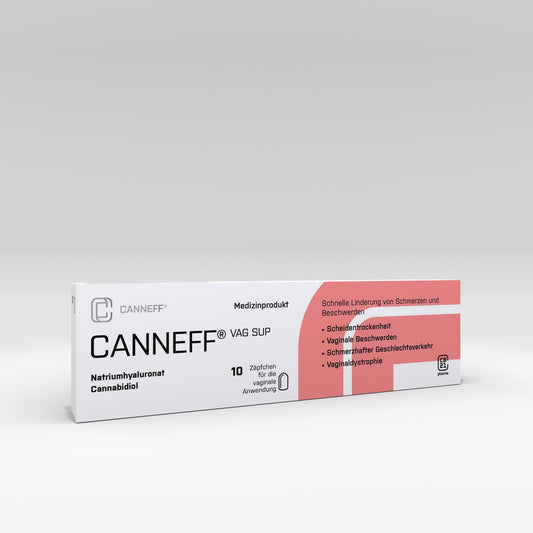
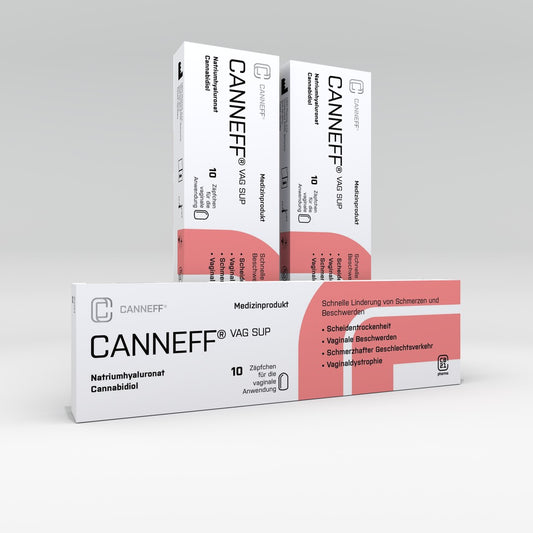
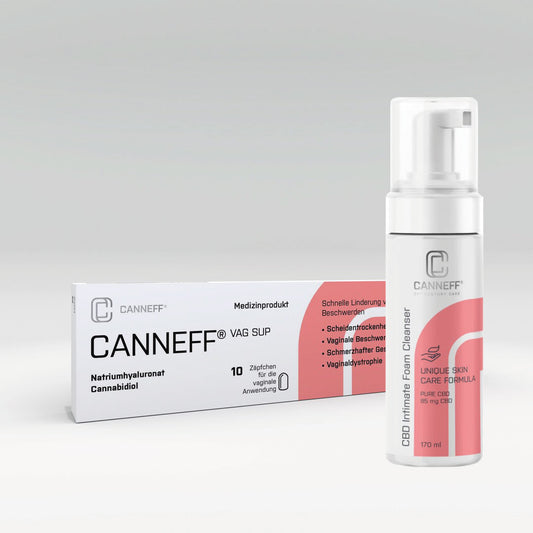
These can help relieve local symptoms and accelerate healing. Innovative products like CANNEFF Vaginal Suppositories with CBD and Hyaluronic Acid combine two active ingredients with synergistic effects that can quickly and effectively support the healing of the damaged mucous membrane. The health of the mucous membranes is essential for our overall health. Through preventive use, you can also avoid irritations and keep the mucous membrane in good condition so that it can protect your body from intruders or pathogens. CANNEFF suppositories ensure good lubrication, elasticity, and blood circulation of the mucous membrane.
Hygiene and Intimate Care for and to Prevent Vaginal Inflammation
Mild Cleansers:
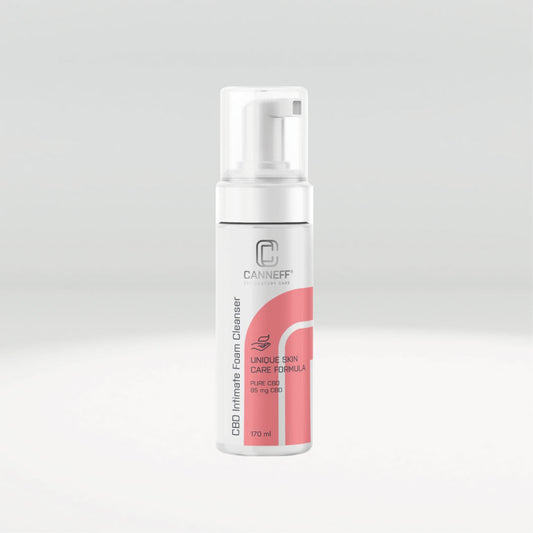
The use of pH-balanced and fragrance-free intimate wash lotions such as CANNEFF Intimate Wash Foam with CBD and Lactic Acid offers a good way to optimally clean and care for your intimate area.
Avoidance of Irritants:
Do not use perfumed soaps, intimate deodorants, or vaginal rinses. Also avoid underwear made of synthetic materials and use breathable natural fabrics like cotton.
Proper Cleaning:
Clean the intimate area from front to back to prevent the entry of intestinal bacteria into the vagina.
Further Measures for the Treatment of Vaginal Inflammation
Healthy Lifestyle:
A balanced diet and regular exercise strengthen the immune system.
Use of Condoms:
Protection against sexually transmitted infections by using condoms.
Stress Management:
Stress can weaken the immune system and increase susceptibility to infections. Relaxation techniques, sufficient sleep, and mindful living are important factors for maintaining health.

Conclusion
Understanding the specific symptoms of vaginal inflammation is crucial to ensure quick and effective treatment. If these symptoms occur, it is advisable to consult a doctor to identify the exact cause and initiate the appropriate therapy. To support the healing of the affected mucous membrane, additional therapy with CANNEFF Vaginal Suppositories with CBD and Hyaluronic Acid is suitable.