

Which herbal remedies help with mild vaginal inflammation?
Herbal remedies can play a supportive role in mild, uncomplicated vaginal inflammation, especially when no sexually transmitted pathogens or severe symptoms are present. In traditional herbal medicine, particularly gentle, anti-inflammatory, and regenerative agents such as chamomile, sage, or tea tree oil have proven effective. These medicinal plants can be used as sitz baths, rinses, or in the form of nurturing vaginal suppositories. Their effects are based on antibacterial, soothing, and wound-healing properties. However, it is important to use medically tested formulations to avoid irritation of the sensitive vaginal mucosa. Herbal remedies are especially suitable in the early stages of colpitis or as follow-up treatment after conventional medical therapy.
|
Application form |
Active ingredients |
Effect |
Notes |
|
Sitz bath with chamomile/sage |
Essential oils, tannins |
Anti-inflammatory, relieves itching |
For external use only |
|
Cannabidiol, hyaluronic acid |
Regeneration, moisture, anti-inflammatory |
CANNEFF® ideal for mucosal irritation |
|
|
Herbal oils (hemp oil, etc.) |
Fatty acids, vitamins |
Care, mucosal barrier |
Use only in medical preparations |
|
Lactic acid bacteria preparations |
Lactobacilli |
Rebuilds vaginal flora, stabilizes pH |
Ideal after antibiotics or infections |
Can medicinal plants like chamomile or sage support vaginitis?
Chamomile and sage are among the best-known medicinal plants traditionally used for inflammation in the intimate area. Chamomile has anti-inflammatory, antibacterial, and soothing effects, while sage additionally has astringent and mildly antifungal properties. In sitz baths or lukewarm rinses, these plants can help relieve itching and irritation. In mild colpitis, they can improve well-being, but persistent symptoms should always be medically diagnosed. Furthermore, their use should be limited to external applications, as uncontrolled internal use—such as teas or concentrates—can disrupt the delicate balance of the vaginal flora.
How effective are vaginal suppositories with herbal ingredients?
The effectiveness of herbal vaginal suppositories largely depends on their composition and quality. Modern plant-based preparations often contain a combination of herbal oils, lactic acid, nourishing substances like hyaluronic acid, and anti-inflammatory extracts. These can soothe the mucosa, provide moisture, and support regeneration. Suppositories containing cannabidiol (CBD) are particularly promising, as this plant-based ingredient can have anti-inflammatory, antioxidant, and pain-relieving effects. The local application of these suppositories offers the advantage that the active ingredients act directly on the inflamed mucosa. In mild to moderate symptoms, this can lead to significant improvement, especially if colpitis is not caused by sexually transmitted pathogens.
Which home remedies for colpitis are truly recommended?
Great caution is advised when using home remedies in the intimate area. Many traditionally recommended measures—such as inserting yogurt or vinegar—can permanently disturb the vaginal environment and even promote infections. Instead, gentle applications like sitz baths with chamomile or sage, which have anti-inflammatory effects and soothe the skin, are recommended. Avoiding irritating care products, wearing breathable cotton underwear, and practicing conscious intimate hygiene with lukewarm water are also supportive measures. The targeted use of plant-based, medically tested products is always safer than improvised home remedies.
Can herbal oils regenerate the vaginal flora?
Herbal oils can play a supportive role in regenerating the vaginal flora, provided they are suitable for vaginal use. Certain oils like evening primrose oil, jojoba oil, or hemp oil contain polyunsaturated fatty acids that strengthen the skin barrier and promote moisture supply to the mucosa. When used in medical vaginal suppositories, they can support epithelial regeneration and stabilize the vaginal environment. Combined with other active ingredients—such as lactic acid or hyaluronic acid—they have a particularly nurturing effect. However, direct, undiluted application of such oils without pharmaceutical preparation is not recommended, as they can cause allergies or irritation.
How useful is an herbal treatment for chronic colpitis?
In chronic colpitis, meaning frequently recurring or long-lasting inflammation of the vaginal mucosa, an herbal treatment can be useful—but only as part of an integrative treatment concept. Persistent dysbiosis, as seen in chronic inflammation, requires targeted investigation of possible causes (e.g., hormone deficiency, systemic diseases) as well as a careful rebuilding phase of the vaginal flora. Here, herbal products with anti-inflammatory, moisturizing, and mucosal care ingredients are used. Suppositories containing hyaluronic acid, CBD, or lactic acid-producing bacteria have shown good success in long-term stabilization. It is important that an herbal treatment is carried out consistently over several weeks and accompanied by gynecological examination to rule out other causes.
Are there herbal alternatives to antibiotics for mild colpitis?
In mild colpitis not caused by sexually transmitted pathogens or systemic infections, antibiotics can often be avoided. Instead, herbal alternatives with anti-inflammatory, germ-reducing, and regenerative effects are used. Such preparations can strengthen the mucosa and naturally restore the vaginal environment. However, it should be noted that herbal remedies do not have the same therapeutic effect as antibiotics in bacterial mixed infections or persistent symptoms. Their strength lies more in mild regulation of the environment and promotion of self-healing. Prior gynecological diagnosis is essential to correctly assess the need for therapy.
When is herbal treatment alone not sufficient?
Herbal treatment reaches its limits as soon as the cause of vaginal inflammation is infectious and systemic—such as with chlamydia, gonococci, or trichomonads. In these cases, antibiotic or antimicrobial agents are necessary to effectively eliminate the pathogens. Also, in cases of severe symptoms like pain, fever, or ascending infections, conventional medical therapy is indispensable. Herbal preparations are at best suitable as supportive treatment to relieve symptoms or for follow-up care. Women with chronic symptoms or in the menopause should not rely solely on herbal remedies but consider combined hormone and mucosal care therapy if needed.
CANNEFF® suppositories: Herbal help for vaginal inflammation?
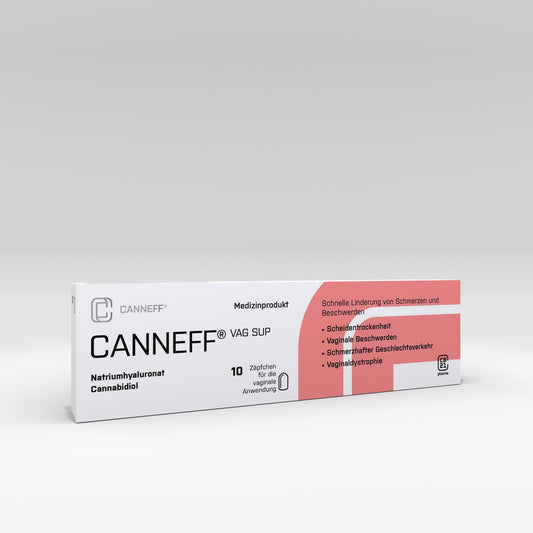
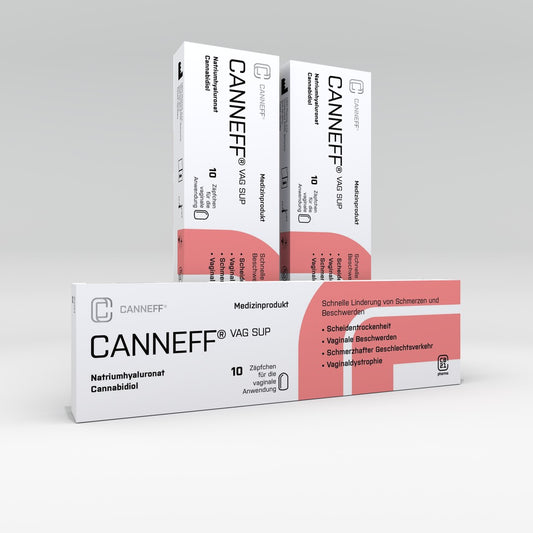
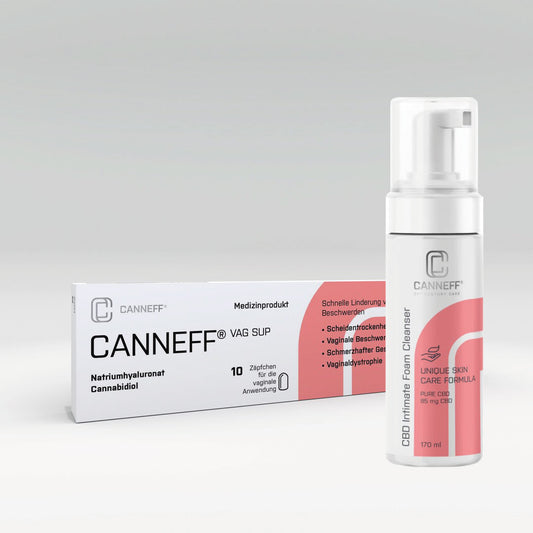
CANNEFF® vaginal suppositories offer modern, plant-based support for mild to moderate forms of vaginal inflammation. The combination of CBD (cannabidiol) and hyaluronic acid has anti-inflammatory, moisturizing, and regenerative effects. CANNEFF® possesses soothing and antioxidant properties that can provide significant relief for irritated vaginal mucosa. The included hyaluronic acid additionally promotes natural moisture retention and supports the rebuilding of sensitive tissue. Daily use strengthens the vaginal environment, reduces the risk of recurrent inflammation, and promotes vaginal well-being. CANNEFF® thus represents a meaningful complement to conventional therapy—especially for sensitive or hormonally influenced mucosal issues.