

Why does PMS cause mood swings? The role of hormones
PMS mood swings are mainly caused by hormonal changes in the second half of the cycle. Especially estrogen and progesterone play a crucial role:
|
Hormone |
Effect on mood |
Change during PMS |
|
Estrogen |
Promotes serotonin, improves mood |
Drops sharply before the period, leading to irritability and sadness |
|
Progesterone |
Has a calming effect, relaxes muscles |
Sudden drop can trigger anxiety and restlessness |
|
Serotonin |
"Happiness hormone," influences emotions |
Low serotonin levels intensify mood swings |
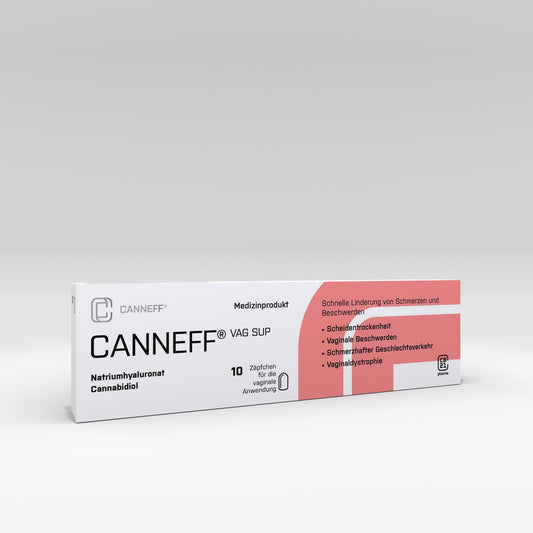
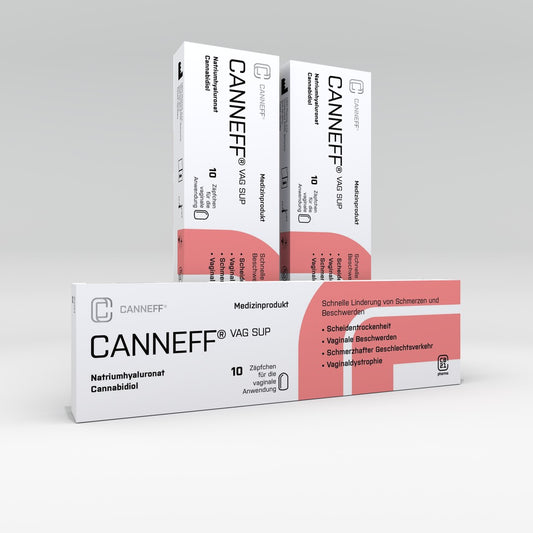
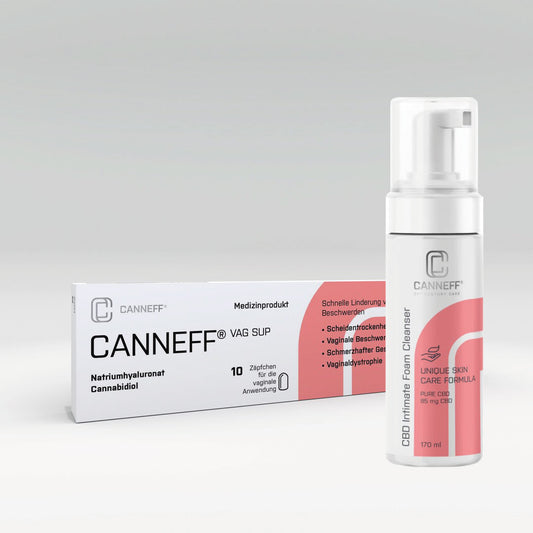
Additionally, prostaglandins intensify inflammatory reactions that affect not only the body but also emotional well-being. CBD-containing CANNEFF® vaginal suppositories can calm the nervous system and alleviate mood swings.

How can PMS-related irritability and anger be better controlled?
PMS can lead to sudden outbursts of anger and increased irritability. These tips help regulate emotions better:
-
Keep a diary: Note mood swings and their triggers.
-
Relaxation techniques: Meditation, breathing exercises, or progressive muscle relaxation help reduce acute anger.
-
Adjust diet: Magnesium-rich foods (e.g., nuts, bananas) have a calming effect.
-
Physical activity: Exercise promotes serotonin release and reduces stress hormones.
-
Herbal remedies: Chasteberry and St. John's Wort have a positive effect on mood.
Hormonal rollercoaster: Why PMS strongly affects emotions
PMS feels like an emotional rollercoaster for many women, as the strongly fluctuating hormone levels affect emotional balance. When estrogen levels drop, less serotonin is produced, which can lead to depressive moods. At the same time, progesterone levels decrease, reducing the calming effect of this hormone and increasing irritability. Additionally, cortisol levels rise, increasing susceptibility to stress and further burdening emotional well-being. This combination of hormonal changes makes women particularly sensitive before their period, leading to quick irritability and intensified feelings of sadness.
What helps against severe mood swings before the period?
There are various measures to alleviate extreme mood swings before the period:
|
Measure |
Effect |
|
Omega-3 fatty acids (salmon, flaxseed) |
Stabilize mood |
|
Vitamin B6 (bananas, avocado) |
Promotes serotonin production |
|
Exercise (e.g., yoga, running) |
Releases endorphins, reduces stress |
|
Meditation & mindfulness |
Reduces emotional reactivity |
|
Calm the nervous system, relax the muscles |
If mood swings are very severe, a doctor may consider hormonal contraceptives or antidepressants.
PMS or depression? When mood swings should be medically evaluated
Mood swings are a typical PMS symptom – but when is there more behind it? Medical evaluation is important if:
-
Mood swings last longer than two weeks.
-
No improvement occurs with the onset of the period.
-
Severe depressive symptoms such as hopelessness, self-doubt, or social withdrawal are present.
-
Suicidal thoughts occur.
Premenstrual dysphoric disorder (PMDD) is a more severe form of PMS that is often mistaken for depression. Professional diagnosis by a doctor is advisable in such cases.
Why do some women feel sad or unmotivated during PMS?
The sadness caused by PMS is directly related to hormonal balance and serotonin levels. When estrogen and progesterone drop, less serotonin and dopamine are produced, which can result in feelings of sadness, lack of motivation, and increased emotional sensitivity. A progesterone deficiency can also promote sleep disturbances, negatively affecting energy and overall well-being. To counteract these effects, increasing exposure to sunlight can help, as it stimulates the body's serotonin production. Relaxation techniques like progressive muscle relaxation can calm the nervous system and promote emotional stability. CANNEFF® suppositories also offer a supportive option to balance the nervous system and improve overall well-being.
Serotonin and PMS: How does the happiness hormone affect mood?
Serotonin is a key neurotransmitter responsible for good mood, stress resistance, and emotional stability causes. A low serotonin level before the period leads to:
-
Irritability & nervousness
-
Fatigue & lack of motivation
-
Craving sweets (the body tries to increase serotonin)
Solutions to support serotonin production:
|
Method |
Effect |
|
Vitamin D & sunlight |
Promotes serotonin production |
|
Exercise (e.g., running, dancing) |
Releases endorphins |
|
Has a relaxing effect on the nervous system |
Which natural remedies help with PMS mood swings?
Herbal remedies can help ease the emotional rollercoaster during PMS:
|
Natural remedy |
Effect |
|
Chasteberry |
Regulates hormone balance |
|
St. John’s Wort |
Improves depressive moods |
|
Lavender |
Calms and reduces anxiety |
|
Relaxes the nervous system and uplifts mood |
PMS and anxiety: What’s behind it?
Many women experience increased anxiety or inner restlessness during the PMS phase. This can have various causes. A declining progesterone level, which normally has a calming effect on the nervous system, can lead to heightened feelings of tension and nervousness. At the same time, a low serotonin level contributes to anxiety being perceived more intensely. Additionally, an increased cortisol level causes a stronger stress response, further worsening the emotional imbalance. Targeted measures can help counteract these symptoms. Breathing techniques and meditation support relaxing the nervous system and promoting overall well-being. Magnesium-rich foods like nuts or spinach help relax muscles and reduce stress. Effective support is also provided by using CANNEFF® Suppositories, which can calm the nervous system and contribute to emotional stabilization.
When should PMS mood swings be treated with medication?
Medication may be necessary when emotional symptoms such as intense anger, depression, or anxiety significantly disrupt daily life. Especially when natural methods are insufficient or signs of premenstrual dysphoric disorder (PMDD) are present, medical support may be required. Selective serotonin reuptake inhibitors (SSRIs) are often used to stabilize mood by regulating serotonin levels and alleviating depressive moods. Hormonal contraceptives offer a way to stabilize hormonal fluctuations during the cycle, thereby reducing PMS-related mood swings. For women who prefer a natural alternative, the medical product CANNEFF® Vaginal Suppositories can provide effective support. The innovative combination of hyaluronic acid and CBD soothes the nervous system, promotes well-being, and can help gently relieve mild to moderate symptoms.