

Why do pimples increase during menopause?
During menopause, the hormonal balance changes significantly. The declining estrogen level leads to a relative dominance of androgens, which stimulate sebum production. This can make the skin oilier, clog pores, and cause pimples. Additionally, skin renewal slows down, favoring impurities.
Which types of pimples frequently occur during menopause?
Pimples can manifest in different ways. The most common types are:
|
Type of pimple |
Description |
|
Blackheads (comedones) |
Clogged pores that appear as black or white spots |
|
Papules |
Small, red inflammations without visible pus |
|
Pustules |
Inflamed pimples with a pus-filled tip |
|
Cystic acne |
Deep, painful nodules under the skin |
Pimples especially appear more frequently on the chin and cheek areas during menopause.
What role do hormones play in the development of pimples during menopause?
The balance between estrogen and testosterone is disrupted during menopause. While estrogen has anti-inflammatory and skin-soothing effects, an increase in androgens can boost sebum production and promote pimples.
Which external factors can worsen skin problems during menopause?
Besides hormonal changes, external factors can also negatively affect the skin:
-
Stress – Increases cortisol production, which can stimulate the sebaceous glands.
-
Incorrect skincare – Too aggressive cleansing products can damage the skin's protective barrier.
-
Unbalanced diet – Sugar and dairy products can promote inflammation.
-
Fluctuating humidity – Dry or humid air can irritate the skin.
How to properly care for impure skin during menopause?
Proper skincare can significantly improve the skin's appearance:
-
Gentle Cleansing – Mild, pH-neutral cleansers avoid irritating the skin.
-
Moisturizing care – Products with hyaluronic acid and aloe vera soothe the skin.
-
Avoid greasy creams – Non-comedogenic moisturizers prevent clogged pores.
-
Regular exfoliation – Removes dead skin cells and promotes cell renewal.
Which diet helps against pimples during menopause?
A healthy diet can positively influence the skin's appearance:
|
Nutrient |
Effect on the skin |
Food examples |
|
Omega-3 fatty acids |
Have anti-inflammatory effects |
Salmon, flaxseeds |
|
Vitamin A |
Promotes cell renewal |
Carrots, spinach |
|
Zinc |
Regulates sebum production |
Pumpkin seeds, nuts |
|
Vitamin C |
Supports collagen production |
Bell peppers, citrus fruits |
Which home remedies can help with pimples during menopause?
Natural home remedies can gently relieve pimples:
-
Tea tree oil – Has antibacterial effects and reduces inflammation.
-
Aloe vera gel – Soothes irritated skin and provides moisture.
-
Healing clay masks – Absorb excess oil and cleanse pores.
When should you see a doctor for skin problems during menopause?
If skin problems do not improve or worsen despite targeted care, a dermatologist should be consulted. Especially with severe cystic acne or inflammatory skin changes, dermatological treatment may be necessary.

How can CANNEFF® products help with skin problems during menopause?
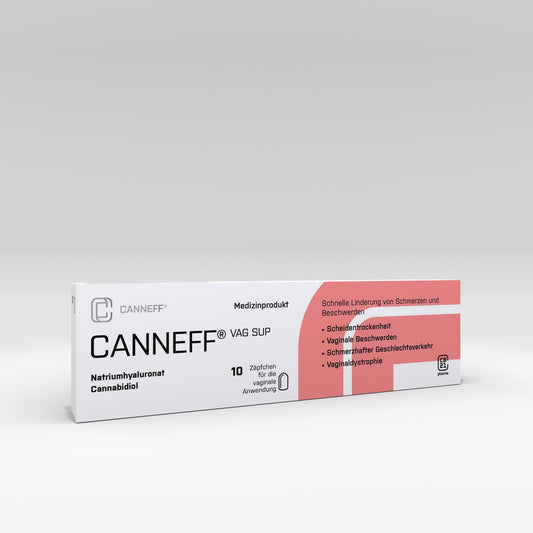
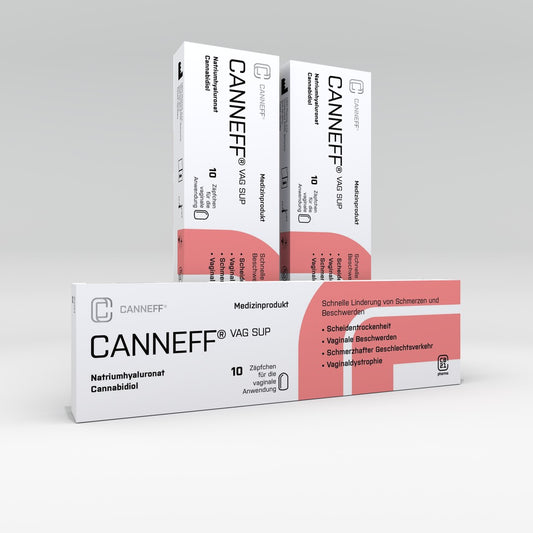
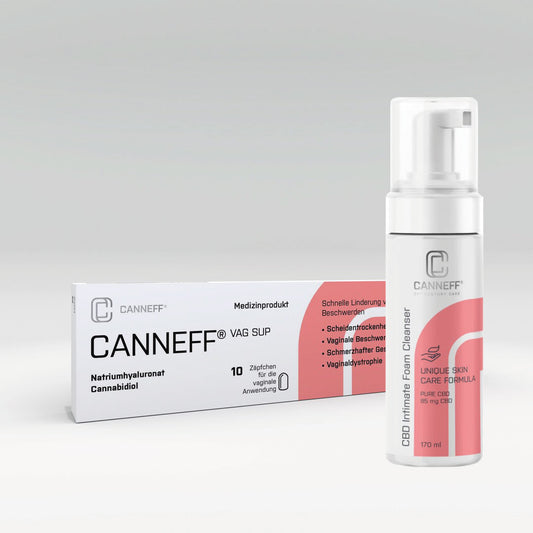
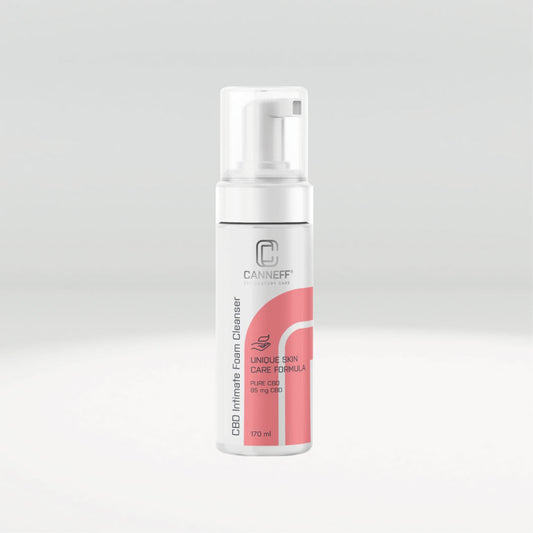
CANNEFF® offers products with cannabidiol (CBD), which has anti-inflammatory effects and can improve the skin's appearance. The soothing properties of CBD help reduce redness and inflammation, which is especially beneficial for hormone-related pimples. Pimples during menopause are common and caused by hormonal changes. However, with the right care, a healthy diet, and targeted treatments, the symptoms can be alleviated. CANNEFF® products can support this and help improve the skin's appearance during this phase of life.