

Which home remedies effectively help against vaginal dryness?
Many women turn to home remedies at the first signs of vaginal dryness to relieve symptoms such as burning, itching, or pain during sex. The best-known natural helpers include plant oils, moisturizing plant extracts, and soothing sitz baths. However, effectiveness varies individually and depends heavily on the cause of the dryness. Home remedies can alleviate mild symptoms but do not replace medical evaluation for persistent or worsening symptoms.
|
Home remedies |
Mode of action |
Suitable for |
Application instructions |
|
Coconut oil |
Nourishes and moisturizes, mildly antibacterial |
Mild dryness |
Apply thinly to the vulva area, do not insert into the vagina |
|
Aloe Vera gel |
Cooling, regenerating, moisturizing |
Irritation & dryness |
Use only pure natural gel, apply externally |
|
Chamomile sitz bath |
Soothes irritated mucous membranes, has anti-inflammatory effects |
Itching & irritation |
Max. 2–3 times per week, not too hot |
|
Sea buckthorn oil |
Rich in unsaturated fatty acids, supports mucous membrane regeneration |
Menopause-related dryness |
Use as capsules or topically |
|
Olive oil |
Replenishes lipids, protects against friction |
For external intimate dryness |
Use only high-quality virgin oil |
Is coconut oil a natural remedy for vaginal dryness?
Coconut oil is often recommended for vaginal dryness due to its antimicrobial and nourishing properties. It can be used as a natural lubricant and relieves tightness in the intimate area. It is important that the oil is cold-pressed and untreated. However, in rare cases, it can cause irritation, especially if there is an allergy or sensitive skin. As an occasional care measure, coconut oil can be helpful, but it should not be used permanently or during infections.
How does Aloe Vera work for vaginal dryness?
Aloe vera has moisturizing, anti-inflammatory, and healing-promoting properties. In the form of gels or special intimate care products, aloe vera can help relieve dryness. It promotes mucous membrane regeneration and can reduce the unpleasant feeling of dryness. However, products without fragrances or alcohol should be chosen, as these can irritate the sensitive vaginal mucosa.
Can sitz baths moisturize the vaginal mucosa?
Sitz baths with soothing additives like chamomile or calendula can provide short-term relief for irritated vaginal mucosa. They have a relaxing effect and can alleviate itching and burning. However, they do not directly moisturize the vagina and should be used sparingly, as too frequent contact with water can further dry out the mucous membranes. Two applications per week are considered safe.
What benefits do vaginal rinses with vinegar water have for dryness?
Vaginal rinses with vinegar water are considered a traditional remedy to restore the acidic vaginal environment. However, in cases of vaginal dryness, they can be counterproductive as they may further irritate the mucous membranes and disrupt the natural flora balance. Experts now generally advise against this method, especially for sensitive mucous membranes or existing complaints.
How often should homemade remedies for vaginal dryness be used?
The frequency of use should be based on the individual symptoms. Too frequent or prolonged use can strain the vaginal mucosa. Natural oils or gels should be applied at most once or twice daily. Sitz baths or herbal applications are usually sufficient two to three times per week. If uncertain or if symptoms persist, gynecological advice is recommended.
What risks do homemade remedies pose?
Homemade remedies, such as those with oils, quark, or yogurt, can irritate the mucous membrane or promote infection if used incorrectly. Especially products from the refrigerator can have a bacterial composition unsuitable for the vaginal flora. Using applicators or tampons soaked with food products can also lead to micro-injuries or irritations. Therefore, their use should always be carefully considered.
|
Home remedies |
Possible risks |
Recommendation |
|
Yogurt tampons |
Imbalance of vaginal flora, introduction of germs |
Not recommended – microbiological risk |
|
Quark (curd cheese) |
No suitable lactic acid bacteria, risk of infection |
Not suitable for vaginal use |
|
Vinegar water rinses |
Irritation of the mucous membrane, pH imbalance |
Do not use – damages vaginal flora |
|
Tea tree oil |
Allergy potential, highly irritating |
Only use externally in strong dilution – with caution |
|
Lemon juice |
Caustic, painful, destroys protective barrier |
Unsuitable for intimate areas |
Can plant oils like olive oil or sea buckthorn oil help?
Yes, some plant oils have skin-caring and regenerating properties. Olive oil has a soothing effect and can help with mild irritations. Sea buckthorn oil, on the other hand, contains essential oils, vitamin E, and carotenoids that can aid in healing the mucous membrane. However, both oils should only be applied externally or used in specially developed vaginal suppositories to avoid stressing the mucous membrane.
Are yogurt tampons useful for vaginal dryness?
The use of yogurt tampons is controversial. While natural yogurt contains lactic acid bacteria that can theoretically support the vaginal flora, in practice, incorrect bacterial strains, contamination, or temperatures that are too cold can irritate or damage the mucous membrane. Experts increasingly advise against this method and instead recommend medically tested products with lactobacilli.
When are home remedies no longer sufficient?
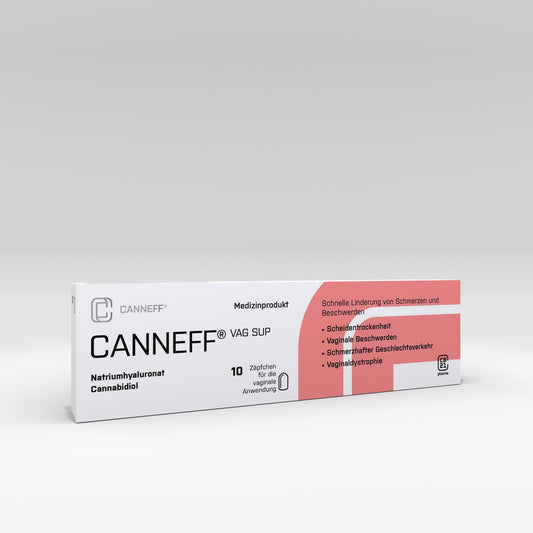
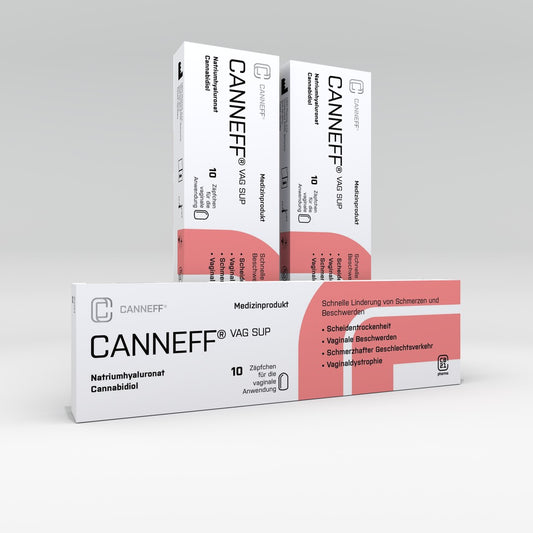
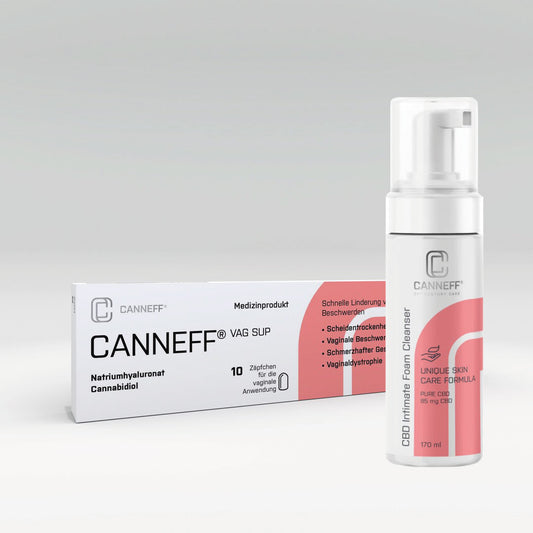
Home remedies are only suitable for mild and temporary complaints. If symptoms such as burning, itching, or pain during sex persist or worsen, a gynecological examination is necessary. Especially for women in menopause or with hormonal causes, local estrogen preparations or modern non-hormonal products like CANNEFF® vaginal suppositories with CBD and hyaluronic acid can be more effective in providing relief.